Cultural routes13 min read
Best Cultural Routes in Türkiye: Comprehensive Visitor Guide 2026
The best routes, transport options, lodging tips, and practical guide information for discovering Türkiye’s rich cultural heritage. 2026 current planning guide.
MuseConnect editorsPublished
In this guide · 15 sections
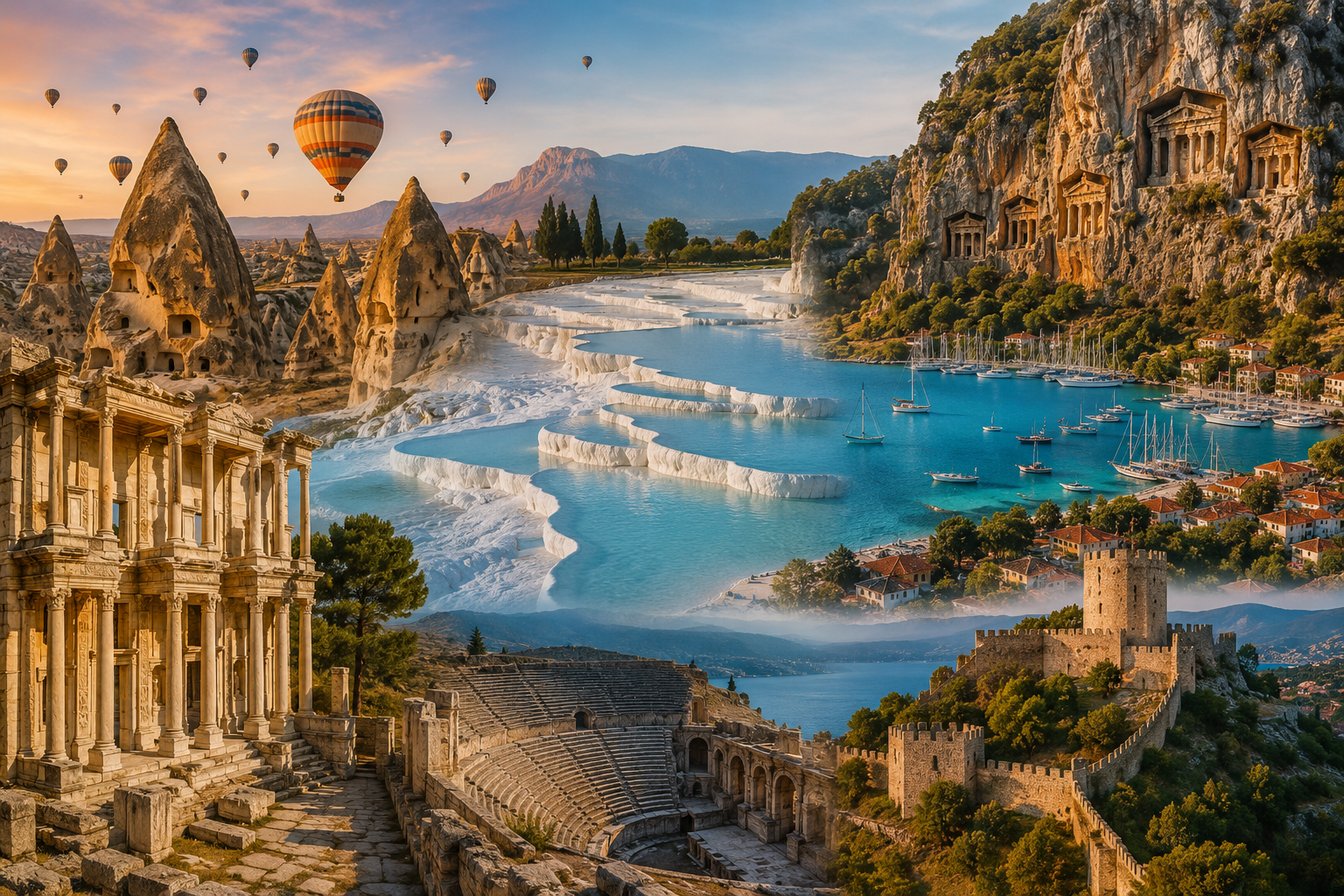
Türkiye is a unique geography that holds traces of civilizations of thousands of years on the lands of Anadolu and Trakya, seated at the meeting of the European and Asian continents. With its area of 783.562 km², a population of over 86 million and 22 UNESCO World Heritage sites, it is one of the world's richest destinations for cultural tourism. In this guide we have compiled Türkiye's prominent cultural routes, transport alternatives, timing strategies and practical planning tips.
Türkiye’s Cultural Geography and Historical Depth
The lands of Türkiye offer an unbroken chain of civilization stretching from the first settlements of the Old Stone Age through the Hittites, Phrygians, Lydians, the Ionian civilization, the Hellenistic Period, the Roman and Byzantine Empires, the Anatolian Seljuks and the Ottoman State. This geographic and historical depth shows that cultural routes do not focus on only a single period or theme, but offer a multilayered experience of discovery.
With Ankara as the capital and İstanbul as the economic-cultural centre, major cities such as İzmir, Bursa and Antalya serve as natural gateways and logistics hubs of cultural routes. The Black Sea, Aegean, Mediterranean and Central Anatolia each form unique route segments with distinct climate, architecture and local culture.
Main Culture Route Themes
In Türkiye, cultural routes are generally shaped around the following thematic frames:
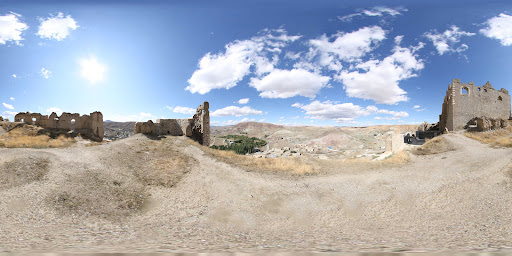
Ancient City and Archaeology Routes: On the Aegean and Mediterranean coasts, ancient cities such as Ephesus, Pergamon, Aphrodisias, Hierapolis, Patara, Xanthos, Letoon, Myra, Aspendos, Perge, Side and Termessos stand out. In Inner Anadolu, Hattuşaş (Boğazköy), Alacahöyük, Kültepe and Çatalhöyük are important stops that can be added to this route. In Eastern Anadolu, Ani, Van Castle and Hoşap Castle may be part of a similar archaeology route.
Seljuk and Ottoman Heritage Routes: Konya, Sivas, Kayseri, Erzurum, Divriği, Niğde, Aksaray, Tokat, Amasya, Kastamonu, Safranbolu, Bursa, İznik, Edirne, İstanbul’s historic peninsula.
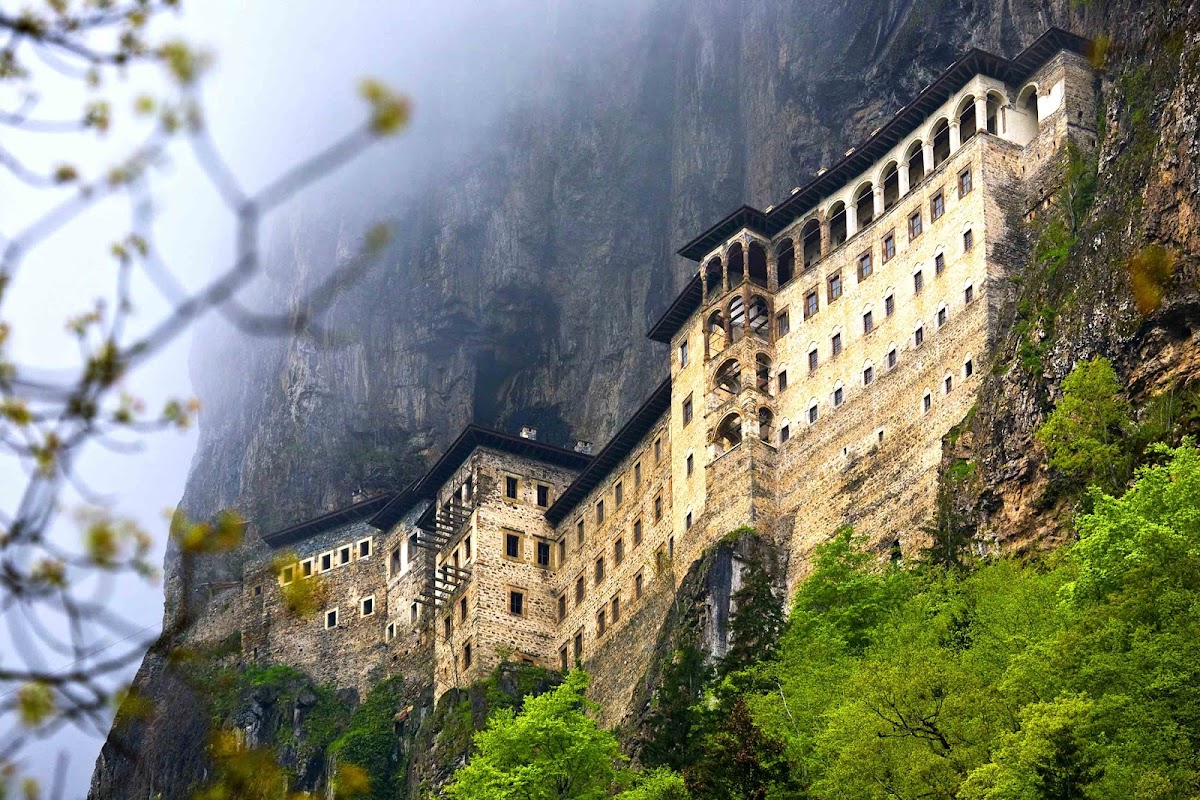
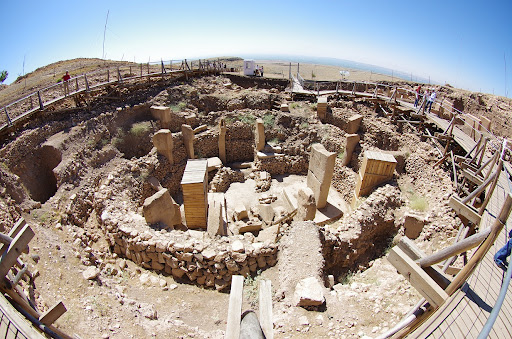
Christianity and Religious Tourism Routes: Kapadokya’s church valleys, Antakya (Hatay) Petrus Kilisesi, Tarsus (Mersin) Aziz Paul Kilisesi, İzmir Seven Churches, Trabzon Sumela Monastery, Mardin Deyrülzafaran Monastery, Şanlıurfa Göbeklitepe and Harran.
UNESCO World Heritage Route: As of 2026 Türkiye has 22 UNESCO World Heritage sites. Among them Göbeklitepe, Çatalhöyük, Hattuşaş, Divriği Great Mosque and Hospital, Safranbolu, Troy, Pergamon, Ephesus, Pamukkale-Hierapolis, Xanthos-Letoon, Ani, Aphrodisias, Göreme-Kapadokya, Selimiye Mosque, Bursa and Cumalıkızık, Diyarbakır Walls and Hevsel Gardens, Nemrut Dağı, Gordion, Arslantepe Mound, the Wooden Hypostyle Mosques of Anatolia and the newest heritage added to the list in 2025, Sardes and the Bin Tepe Lydian Tumuli, take their place. These sites complement one another in a comprehensive route plan.
 Museum Pass validValidVan CastleVanMuseum page
 Museum Pass validValidHoşap CastleVanMuseum page
 Museum Pass validValidSümela MonasteryTrabzonMuseum page
 Museum Pass validValidGöbeklitepe Archaeological SiteŞanlıurfaMuseum page
 Museum Pass not validNot validDivriği Great Mosque and HospitalSivasMuseum page
Transport and Logistics Planning
Air Connections
The airports of İstanbul (IST/SAW), Ankara (ESB), İzmir (ADB), Antalya (AYT), Dalaman (DLM), Trabzon (TZX), Kayseri (ASR), Nevşehir (NAV), Gaziantep (GZT), Diyarbakır (DIY) and Van (VAN) are the main entry points. Regional centres can be reached in 1-1,5 hours by domestic flights.
Road Networks
The motorway and state-road network forms the main arteries from west to east (O-3, O-4, O-5, O-21, O-22, O-52, O-53) and from north to south (O-7, O-31, O-32, O-33, O-51). Flexible route planning with rental cars is common; however, distances in the east and southeast are long, so rest stops should be planned.
Railway Options
The High-Speed Train (YHT) network serves on the İstanbul-Ankara, Ankara-Konya, Ankara-Sivas and İstanbul-Eskişehir-Ankara lines. The Doğu Ekspresi (Ankara-Kars), Turistik Doğu Ekspresi (Ankara-Erzurum-Kars), Güney Kurtalan Ekspresi (Ankara-Kurtalan) and Vangölü Ekspresi (Ankara-Tatvan) offer scenic and comfortable alternatives for cultural routes.
Sea Route and Ferries
İstanbul Bosphorus inner-line ferries, Marmara Sea ferries (İstanbul-Yalova, Tekirdağ-Çanakkale, Bandırma-İstanbul), Aegean Sea ferries (Çeşme-Sakız, Kuşadası-Sisam, Bodrum-İstanköy, Datça-Rodos), Mediterranean ferries (Taşucu-Girne, Mersin-Girne) connect island and coastal routes.
Timing and Seasonal Strategies
Spring (March-May)
The most ideal period. Temperatures in the 15-25°C range, little rain, nature is green. Walking at ancient cities is comfortable. It is the best month for Kapadokya balloon tours. Tourist density is lower than in summer months.
Summer (June-September)
The peak tourism season. Mediterranean and Aegean coasts 30-35°C, inland Anatolia 30-38°C. Ancient-city visits are recommended in the early morning and late afternoon; check official sites of the relevant museum/ancient city for current opening hours. Lodging and transport costs are at their highest; early booking is essential.
Autumn (October-November)
Second ideal period. Temperatures 18-25°C, rainfall increases but is generally light. Vintage landscapes (Kapadokya, Şirince, Bozcaada, Urla) add visual richness. Tourist flow decreases, prices drop.
Winter (December-February)
Snow and low temperatures in Eastern and Central Anatolia (between -10°C and 5°C). Cappadocia is captivating with its snowscapes. Coastal regions (Antalya, Mersin, Muğla) are suitable for visits at 10-15°C. Winter hours apply at museums; check official sites for current times.
Accommodation Strategies
Regional Centres: İstanbul (Sultanahmet, Beyoğlu, Kadıköy), Ankara (Kızılay, Çankaya), İzmir (Konak, Alsancak, Karşıyaka), Antalya (Kaleiçi, Lara), Bursa (Osmangazi, Nilüfer), Trabzon (Ortahisar), Gaziantep (Şehitkamil), Diyarbakır (Sur, Kayapınar) offer a wide range of hotels.
Boutique and Historic Lodgings: Safranbolu mansions, Kapadokya cave hotels, Şirince village houses, Bozcaada/Gökçeada boutique hotels, Mardin stone houses, Amasya yalıboyu houses, guesthouses in Datça/Bozyazı provide experience-focused lodging.
Camping and Caravan Areas: Camping/caravan facilities are found in nature areas such as Kapadokya (Göreme, Ürgüp, Avanos), Olympos-Çıralı, Patara, Kabak Koyu, Kelebekler Vadisi, Salda Gölü, Abant Gölü, Çamlıhemşin, Ayder Yaylası.
Early Booking: Book 3-6 months ahead for the summer season, 1-2 months ahead for spring/autumn. Boutique hotels and cave hotels in particular are quota-limited.
 Not listedUnlistedAmasya Yalıboyu EvleriAmasyaMuseum page
Practical tips
- Museum Pass: It provides annual unlimited entry to 300+ museums and ancient cities in Türkiye. For current validity and applications How do you get a Museum Pass? review the page. To find out at which museum it is valid the Museum Pass validity query tool use it.
- Cash and Digital Payment: Credit card/BKM Express is widespread in large cities and tourist places; cash (TL) may be needed in small towns, ancient cities, and marketplaces.
- Clothing and Equipment: At ancient cities, flat-soled walking shoes with grip are essential. In summer months hat, sunscreen, water bottle; in winter months wear layered clothing, waterproof boots, gloves, beanie.
- Photography: Flash-free photography is allowed at most museums and ancient cities; a special permit may be required for tripod/drone. Dress codes (headscarf, covering above the knee) apply at religious sites (mosque, church, monastery).
- Guided Tour Services: Licensed guides (TÜRSAB-certified) offer in-depth information. Audio guide apps (Museum Pass app, museum websites) are an economical alternative.
- Disabled Access: At large museums (Ankara Museum of Anatolian Civilizations, Istanbul Archaeology Museums, Antalya Museum, Zeugma Mosaic Museum) elevator/ramp systems are present; ground conditions at ancient cities may be challenging, check the accessibility status on the museum website in advance.
- Food and Break: Try regional cuisines (Gaziantep/Şanlıurfa kebap/baklava, Antakya meze/kebap, İzmir boyoz/kumru, Trabzon hamsi/kuymak, Kapadokya testi kebabı/mantı). Keep water and snacks with you.
- Mobile Internet: Get tourist-pack prepaid SIM cards or eSIM from Turkish operators (Turkcell, Vodafone, Türk Telekom). Nationwide 4.5G/5G coverage is wide.
- Emergency: 112 (Emergency Call Centre — a single number for health, fire and police), 155 (Police), 110 (Fire Brigade), 156 (Gendarmerie). Tourism Police: you may call 112 and request "Tourism Police", or apply at standing tourism-police offices in major tourist centres (e.g. İstanbul Sultanahmet Tourism Police: +90 212 527 45 03).
- Currency: Turkish lira (TRY). Exchange is possible at bureaux de change, banks, and airports. ATMs are widespread.
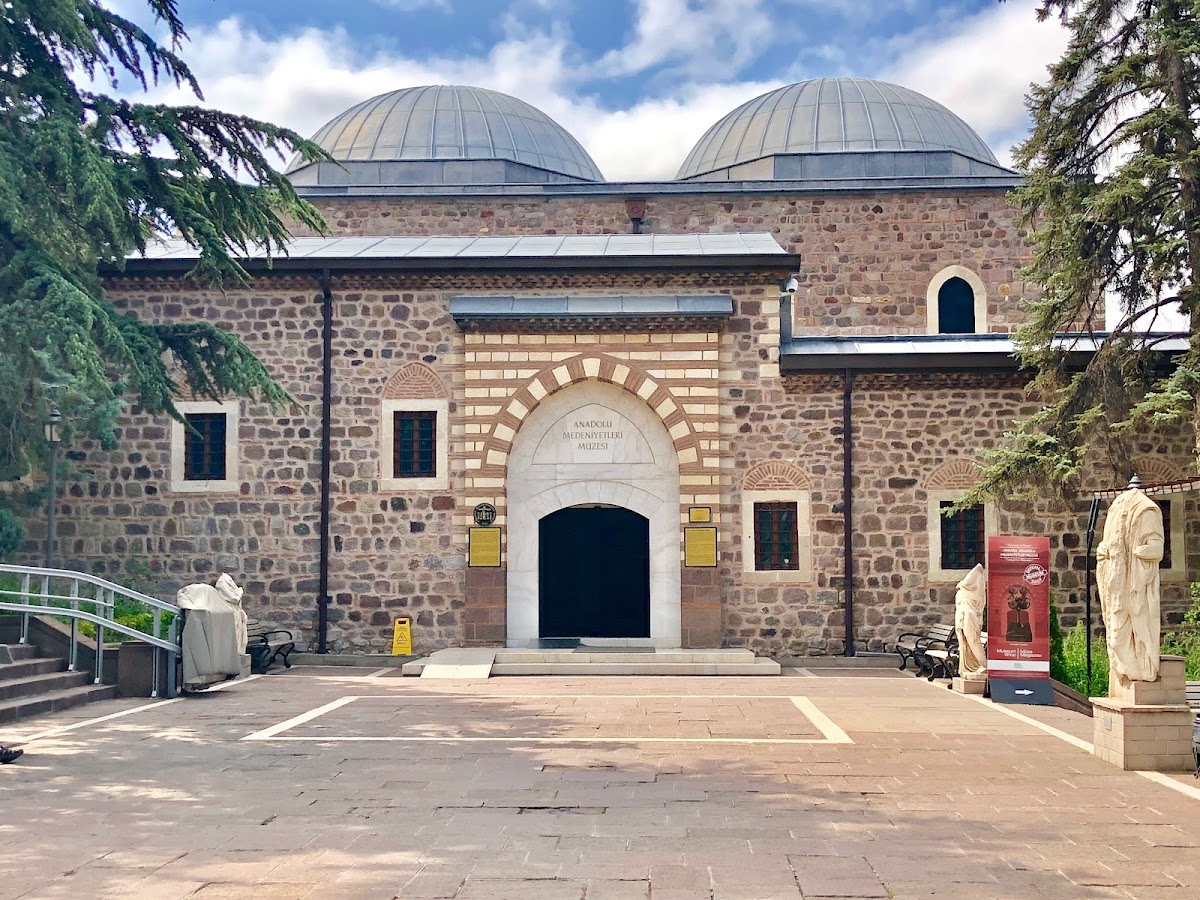 Museum Pass validValidMuseum of Anatolian CivilizationsAnkaraMuseum page
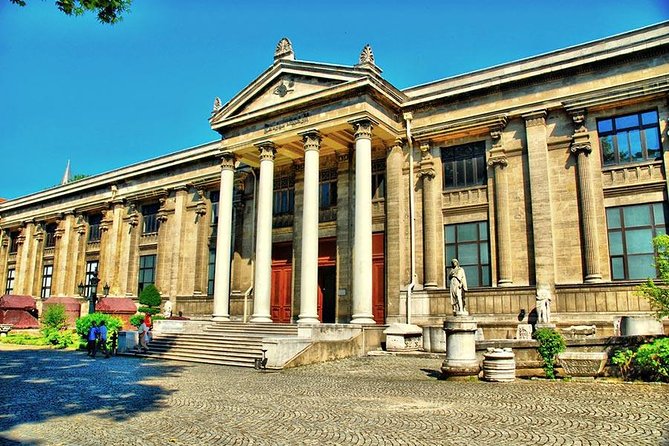 Not listedUnlistedIstanbul Archaeology MuseumsFatih, İstanbulMuseum page
 Museum Pass validValidAntalya MuseumAntalyaMuseum page
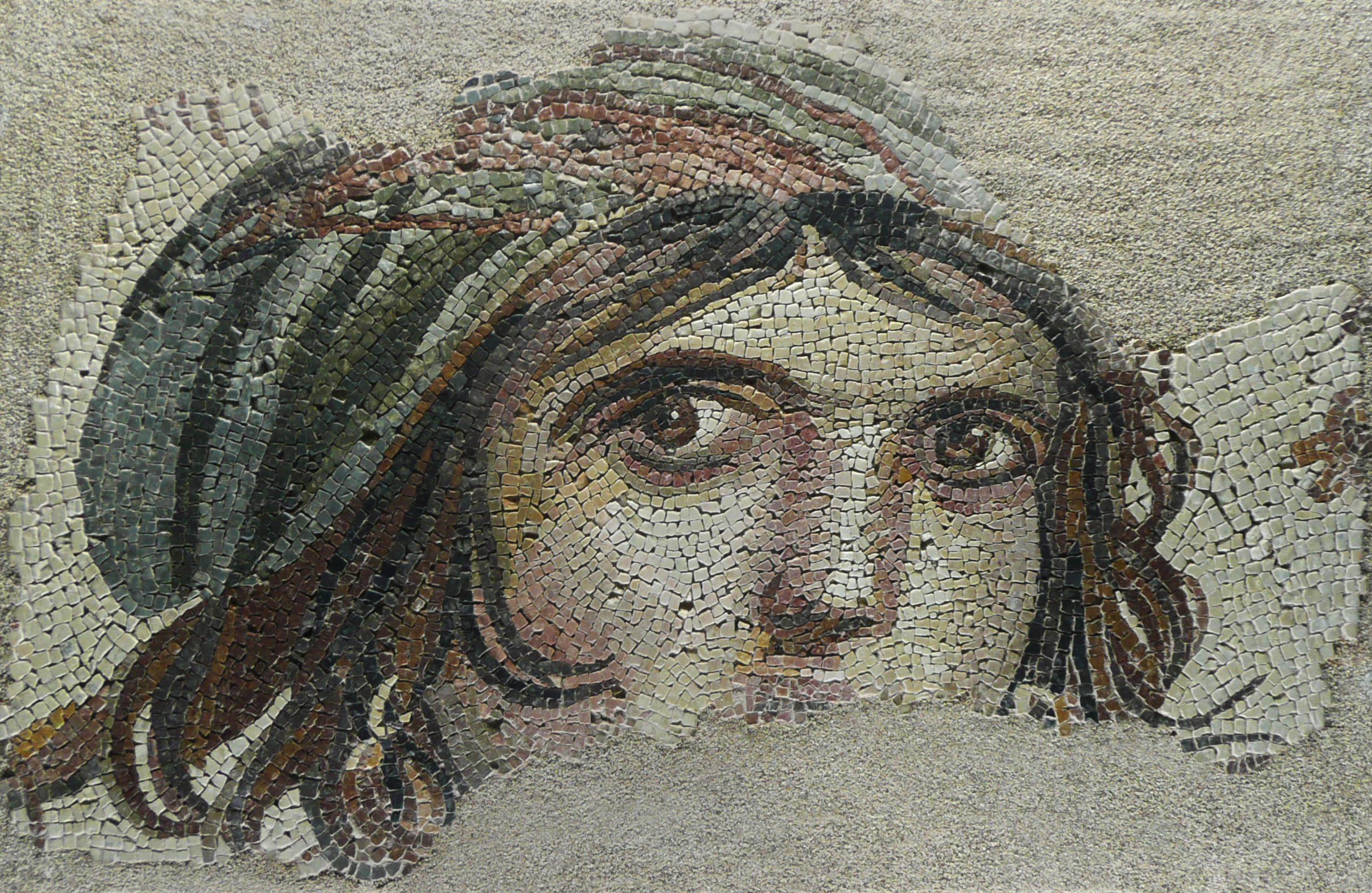 Museum Pass validValidZeugma Mosaic MuseumGaziantepMuseum page
Istanbul: Heart of the Culture Route
İstanbul, as the capital of Rome, Byzantium and the Ottomans, is a cultural route on its own with 2600 years of urban heritage. On the Historic Peninsula (Sultanahmet), a UNESCO World Heritage site, Hagia Sophia, Topkapı Palace, the Sultanahmet Mosque, Basilica Cistern, Binbirdirek Cistern, the Hippodrome, the Archaeology Museums, and Museum of Turkish and Islamic Arts is concentrated. In the Beyoğlu-Galata area Galata Tower, Pera Museum, İstanbul Modern, Salt Galata, the French Cultural Center, SALT Beyoğlu; on the Anatolian shore Beylerbeyi Palace, Küçüksu Pavilion, Anadolu Hisarı, Çamlıca Hill, Polonezköy Nature Park take their place. Palaces, yalıs, towers and the Rumeli/Anadolu fortresses are watched from the sea by a Bosphorus tour. For İstanbul's comprehensive museum and sightseeing guide Istanbul Museums: 2026 Visitor Guide and Istanbul Archaeological Museums: 2026 Visitor Guide review the pages.
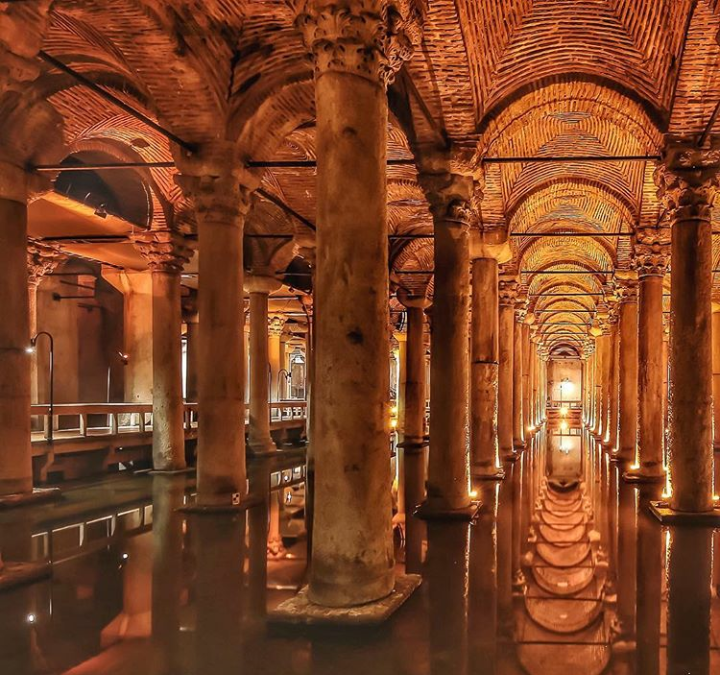 Museum Pass not validNot validBasilica CisternFatih, İstanbulMuseum page
 Museum Pass validValidTurkish and Islamic Arts MuseumFatih, İstanbulMuseum page
Cappadocia: Uniqueness of Nature and History
Kapadokya, covering the provinces of Nevşehir, Kayseri, Aksaray, Niğde and Kırşehir, is a world-brand destination with fairy chimneys, cave churches, underground cities (Derinkuyu, Kaymaklı, Özkonak), open-air museums (Göreme, Zelve, Çavuşin), valleys (Ihlara, Güllüdere, Kızılçukur, Güvercinlik) and balloon tours. Avanos pottery, Ürgüp winemaking, Ortahisar castle, Üçhisar castle, Mustafapaşa (Sinasos) Greek architecture and the churches of Soğanlı Valley are areas for in-depth discovery. For detailed planning Cappadocia Cultural Tourism: 2026 Full Visitor Guide and Nevşehir Museums: 2026 Visitor Guide use the pages.
Aegean and Mediterranean Ancient Cities Corridor
This corridor, which starts in İzmir and extends from north to south, opens with Pergamon (Bergama), Smyrna (İzmir Agora), Ephesus (Selçuk), Priene, Miletus, Didyma and Herakleia (Latmos). As one descends south, Aphrodisias (Geyre), Hierapolis-Pamukkale (Denizli), Laodikeia, Tripolis and Sagalassos (Burdur) join the route. On the Antalya coastline Termessos, Perge, Aspendos, Side, Sillyon, Phaselis and Olympos; between Kaş and Fethiye the corridor is completed with the chain of Myra (Demre), Patara, Xanthos and Letoon. This corridor is reachable by motorway (O-31, O-32, O-33, D400) and airports (ADB, DLM, AYT). İzmir, Aydın, Muğla, Antalya, Denizli, Burdur provinces are the base cities. For the region's museums Izmir Museums, Antalya Museums, see the Muğla Museums guides.
Eastern Anatolia and Southeastern Anatolia Culture Route
This route, which sets out from Ankara by the Doğu Ekspresi or by road, begins with Hattuşaş-Çorum, Alacahöyük, the Amasya Royal Rock Tombs, Tokat Ballıca Cave/Nikolaos Church and Sivas Divriği Ulu Camii (UNESCO). As it proceeds eastward, Erzurum Çifte Minareli Medrese/Yakutiye Medresesi, the Kars Ani Ruins (UNESCO) and Doğubayazıt İshak Paşa Palace are added to the route. Around Lake Van, Van Castle, Akdamar Island Surp Haç Church and Hoşap Castle come to the fore; to the south, Bitlis Ahlat Seljuk Cemetery, Batman Hasankeyf (Yeni Hasankeyf), Mardin Historic Center/Deyrülzafaran Monastery and Midyat Mor Gabriel Monastery. The route is completed in Şanlıurfa with Göbeklitepe (UNESCO), Harran, Balıklıgöl and Urfa Museum; in Gaziantep with the Zeugma Mosaic Museum and Bakırcılar Çarşısı; in Adana with Taşköprü, Anavarza and Adana Museum. Distances in this region are long (for example Ankara-Van about 1000 km), so a minimum of 7-10 days should be planned.
Black Sea Culture and Nature Route
From İstanbul eastward: the Safranbolu (UNESCO), Amasya, Tokat, Samsun (Bandırma Ferry/Atatürk Monument), Ordu (Boztepe Cable Car), Giresun (Giresun Island), Trabzon (Sumela Monastery, Ayasofya Museum, Atatürk Mansion), Rize (Zil Kale, Ayder Highland, tea gardens), Artvin (Karagöl-Sahara, Şavşat/Karagöl), Kars (Ani) route offers a rich corridor of green nature, highland culture, Laz/Hemşin culture, tea farming and stone architecture. The highland season (June-September) is the most active period; in winter months follow snow road conditions (KGM mobile application).
Central Anatolia History and Architecture Route
The Ankara (Museum of Anatolian Civilizations, Anıtkabir, Rahmi Koç Museum, Erimtan Museum), Eskişehir (Odunpazarı Houses, Kurşunlu Complex, Pessinus Ancient City), Kütahya (Aizanoi Ancient City, Kütahya Tile Museum, Germiyan Street), Afyonkarahisar (Afyon Castle, Phrygian Valley, near Aphrodisias), Uşak (Blaundus, Uşak Archaeology Museum), Kayseri (Kültepe/Kanesh, Sultanhanı Caravanserai, Kayseri Archaeology Museum), Sivas (Divriği, Gök Medrese, Çifte Minareli Medrese), Yozgat (Kerkenes, Yozgat Museum), Çorum (Hattuşaş, Alacahöyük, Çorum Museum), Amasya (Royal Rock Tombs, Amasya Museum, Yalıboyu Houses) route holds Hittite, Phrygian, Roman, Byzantine, Seljuk and Ottoman layers. Ankara, Eskişehir, Kayseri and Sivas are linked by YHT.
Digital and Virtual Discovery Options
Access to the digital collections of Türkiye's museums is possible before a physical visit or as an alternative. Virtual tours, 3D models and high-resolution archives exist for sites such as Ankara Museum of Anatolian Civilizations, İstanbul Archaeology Museums, Topkapı Palace Museum, Zeugma Mosaic Museum, Göbeklitepe, Ephesus, Troy, Pergamon, Aphrodisias, Hierapolis, Ani, Çatalhöyük, Hattuşaş, Safranbolu, Divriği, Sumela Monastery, Nemrut Dağı and Pamukkale. For a comprehensive list Virtual Museum Tour Türkiye: Digital Collections to Explore from Home visit the page.
Türkiye Kültür Rotaları Derneği and Civil Society Organizations
The Türkiye Cultural Routes Society (TKRD) is a civil-society organization working to identify and mark cultural routes, to develop a sustainable tourism model and for local people to benefit. The society takes a role in standardizing marked walking/hiking routes such as the Likya Way, Frig Way, Hitit Way, Evliya Çelebi Way, Culture Way (Bursa-İznik-İstanbul), Misis Way, Sultanlar Way, Karia Way, Pisidia Way and St. Paul Way. For current route maps, GPX files, lodging guides and the events calendar, follow the society's official website and social media accounts.
FAQ

