City guides6 min read
Istanbul Archaeological Museums: 2026 Visitor Guide – Comprehensive List & Tips
Discover Istanbul’s most important archaeology museums. Learn the history, collections and visiting information of the Archaeology Museum, the Museum of the Ancient Orient and Çinili Köşk.
MuseConnect editorsPublished

In this guide · 6 sections
Istanbul is a unique city for those who want a journey into the depths of history. One of the most important stops on this journey is Istanbul Archaeology Museums. This complex, Türkiye’s first museum, consists of three main units: Archaeology Museum, Museum of the Ancient Orient and Çinili Köşk Museum. Each holds nearly a million works from different civilisations and hosts one of the world’s richest archaeology collections.
In this guide you will find the history, collections, visiting hours and transport information of the Istanbul Archaeology Museums in detail. If you are interested in archaeology and history, these museums belong on your list.
General information about the Istanbul Archaeology Museums
The Istanbul Archaeology Museums, in 1869 as Müze-i Hümayun (Imperial Museum) under that name. Its founding is the product of a heritage that runs from the Ottoman Empire to the Republic of Türkiye. The interest in collecting historic works, which began in the era of Fatih Sultan Mehmet, in 1881 Osman Hamdi Bey's gained an institutional form with his appointment as museum director.
Osman Hamdi Bey, Mount Nemrud, Myrina, Kyme and Sidon Royal Necropolis enriched the museum’s collection with works from these excavations. In particular in the Sidon excavations found Alexander Sarcophagus, Sarcophagus of the Mourning Women, Lycian Sarcophagus and Tabnit Sarcophagus, brought the museum worldwide recognition.
Museum units and collections
The Istanbul Archaeology Museums consist of three main units. Each unit holds works from different periods and cultures and offers visitors a wide perspective.
Archaeology Museum (Main Building)
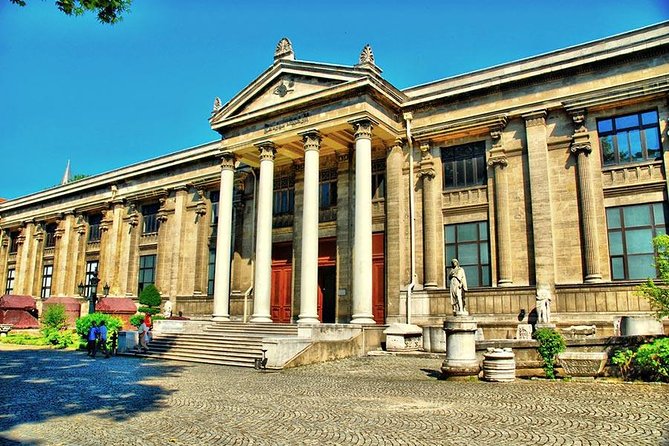
Archaeology Museum, in 1891 architect Alexander Vallaury built it. This building, one of the finest examples of Neo-Classical architecture, Asar-ı Atika Museum (Museum of Ancient Works). The Ottoman inscription on the façade and the tughra of Abdülhamid II underline the building’s historic importance.
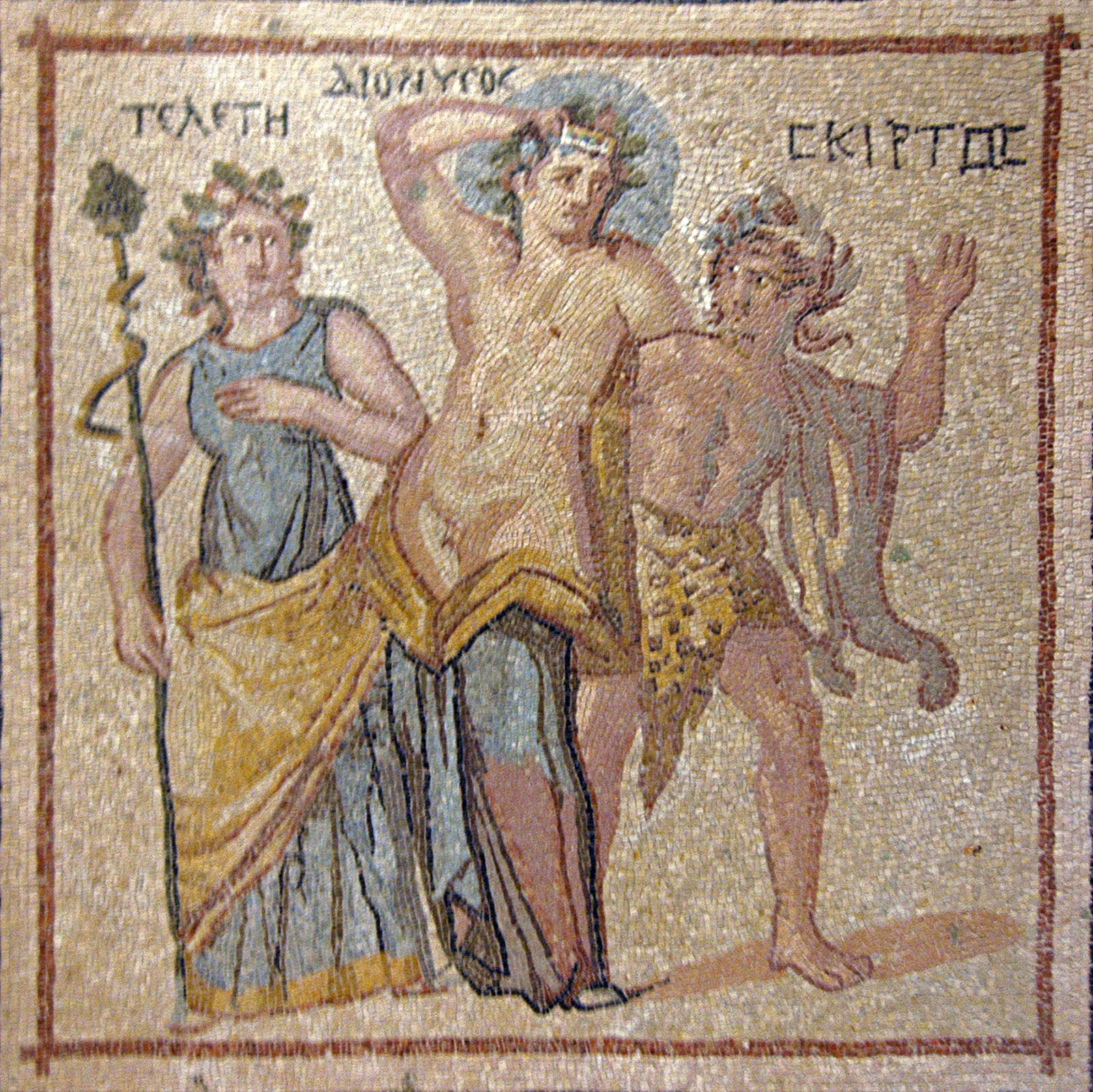
In the museum, from prehistoric times to the Ottoman period works spanning this range are on display. Among them sculptures of Antiquity, Alexander Sarcophagus, Sarcophagus of the Mourning Women, Sidamara Sarcophagus and Tabnit Sarcophagus world-famous works like these are on display.
Museum of the Ancient Orient
Museum of the Ancient Orient, in 1883 by Osman Hamdi Bey Sanayi-i Nefise Mektebi (Academy of Fine Arts). The building’s architect was again Alexander Vallaury. After the academy moved in 1917 the building began to be used as a museum.
In this museum, pre-Islamic works from the Arabian Peninsula, Mesopotamian works, Anatolian works and cuneiform documents are on display. Treaty of Kadesh, Stele of Naram-Sin and Ishtar Gate important works like these are also in this section.
Çinili Köşk Museum
Çinili Köşk, in 1472 It was built in the era of Fatih Sultan Mehmet. Hagia Irene Church becoming insufficient after being restored, in 1880 it was turned into a museum. In Istanbul, one of the oldest examples of Ottoman-period civic architecture Çinili Köşk, which is one of them, examples of Turkish tiles and ceramics a museum where they are displayed.
In the collection, from the 11th century to the early 20th century spanning up to from the Seljuk and Ottoman periods approximately 2,000 works are found. Among them the tiled mihrab of the 1432 Karamanoğlu İbrahim Bey imaret and the Ab-ı Hayat Fountain built in 1590 important works like these are on display.
Visiting information
Opening and closing hours
The Istanbul Archaeology Museums, open every day. Visiting hours are as follows:
- Opening time: 09:00
- Closing time: 18:45
- Box office closing: 18:00
Night museum hours for:
- Opening time: 19:00
- Closing time: 22:00
- Box office closing: 21:00
- Night museum days: Check the official site for the current calendar
Address and contact
- Address: Alemdar Caddesi, Osman Hamdi Bey Yokuşu, Gülhane, Eminönü, Istanbul
- Phone: 0212 520 77 40
- Email: istanbularkeoloji@ktb.gov.tr
Transport
Getting to the Istanbul Archaeology Museums is quite easy:
- the Gülhane stop on the Kabataş-Bağcılar tram line you can use it.
- If you are coming from the Anatolian Side, you can reach the tram line using the Kadıköy-Eminönü and Üsküdar-Eminönü ferries.
Museum Pass and admission information
At the Istanbul Archaeology Museums For T.C. citizens Museum Pass is valid. Museum Pass holders, in addition, a night-museum ticket they can visit by buying that ticket. Museum Pass for detailed information and the application process How to get a Museum Pass? 2026 Prices and Query Guide you can read that page. To learn at which museums it is valid Is Museum Pass Valid? Query Tool visit that address.
Practical tips
- Visit length: To see the museum complex in full at least 3–4 hours we recommend setting aside. Because each unit tells a separate story, it is important to explore without rushing.
- Guiding: A guiding service is available inside the museum. Using this service you can learn more about the works.
- Photography: Photography inside the museum is generally allowed, but flash is forbidden next to some special works. Take care to follow the rules.
- Busy periods: At weekends and on holidays museums can be quite crowded. For a quieter visit weekdays you can prefer those days.
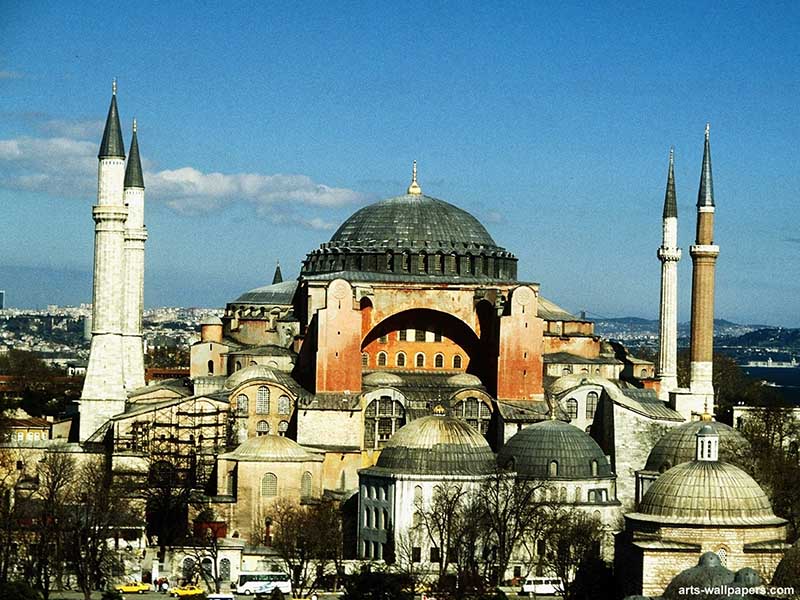
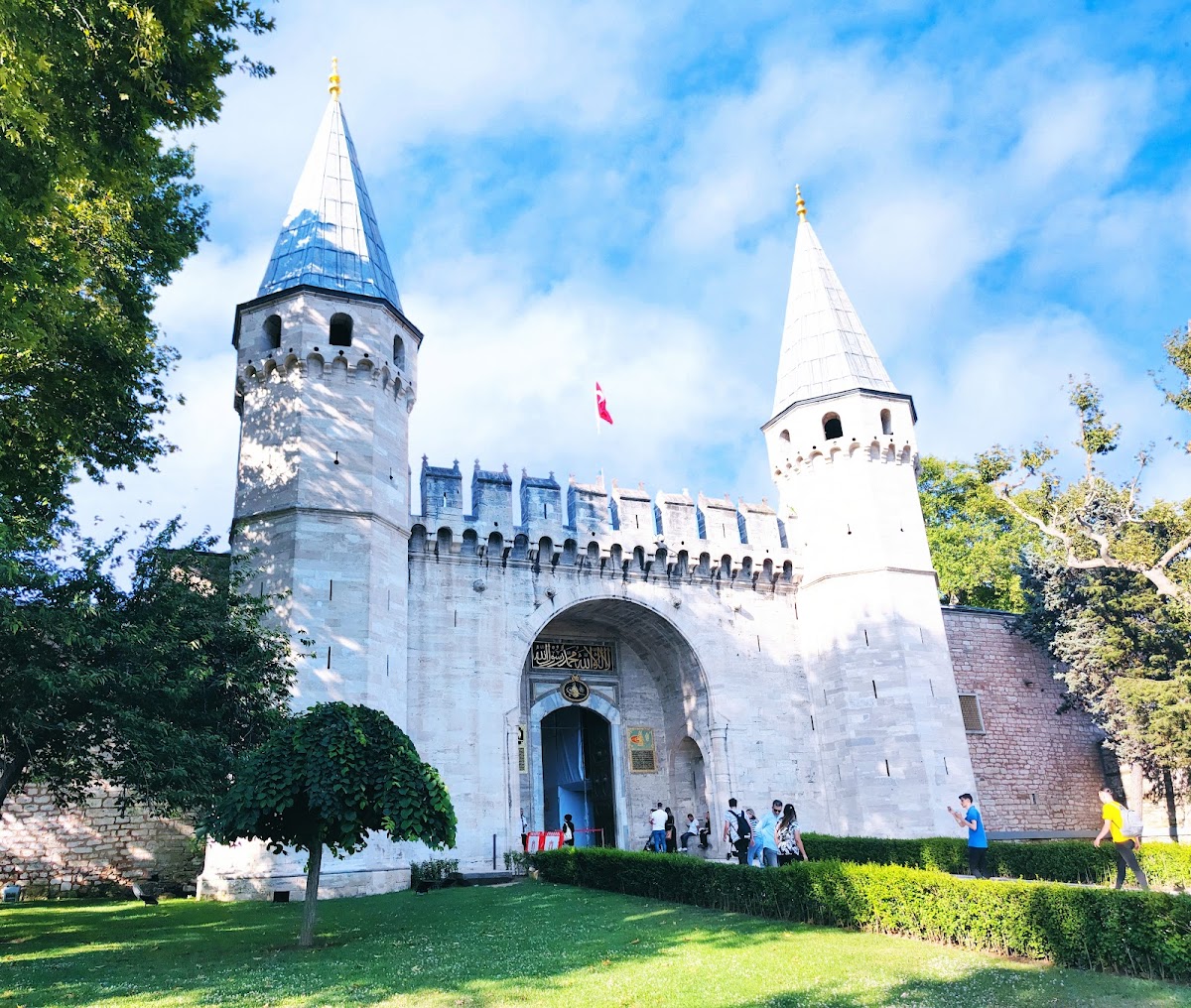
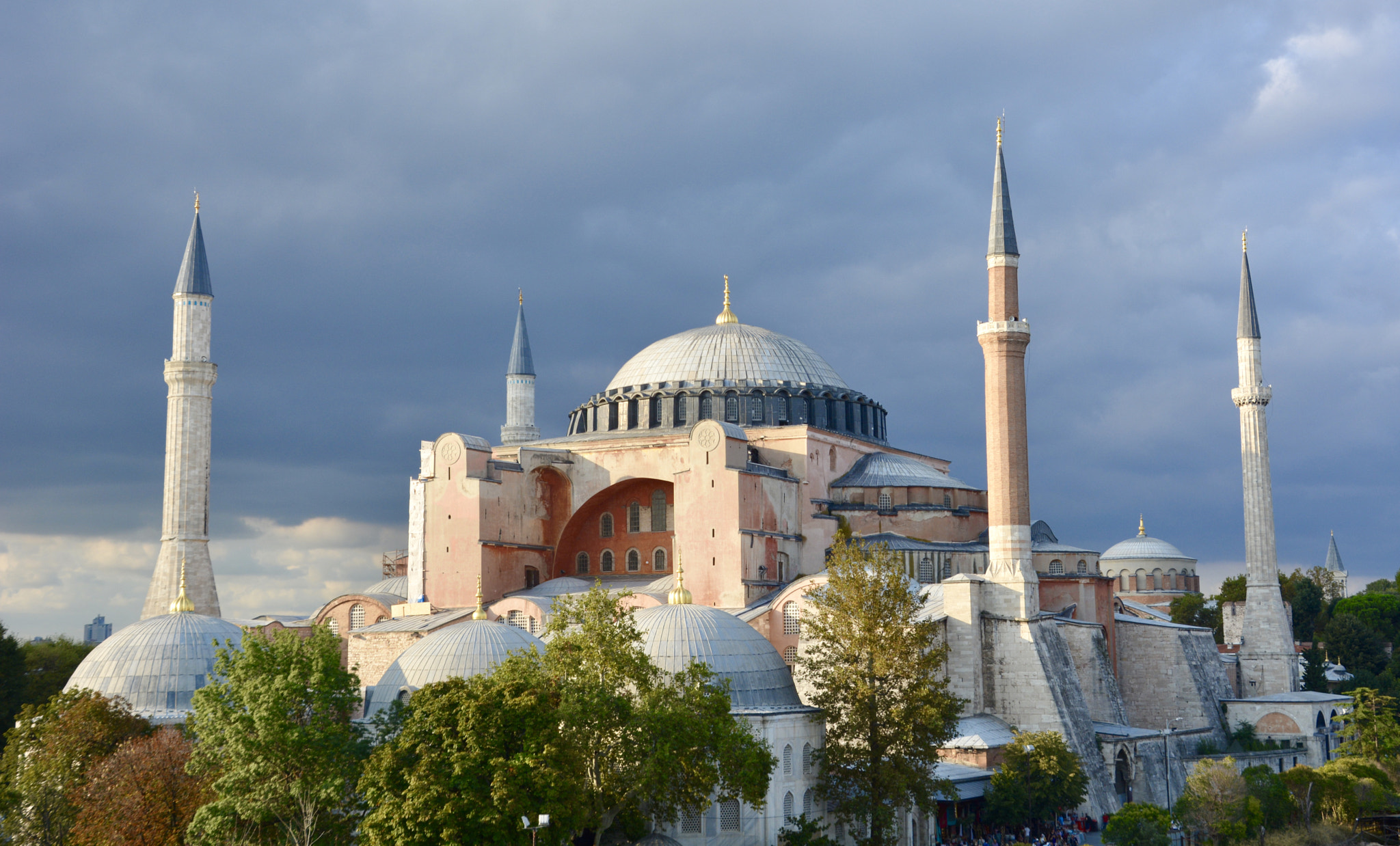
- Other museums: close to the Istanbul Archaeology Museums Ayasofya, Topkapı Palace, Museum of Turkish and Islamic Arts and Mosaic Museum important museums like these are also nearby. By adding these museums to your list the Historic Peninsula you can visit more efficiently. For detailed information Istanbul Museums: 2026 Visitor Guide – Full List and Tips you can read that page.
Museum Pass validValidTurkish and Islamic Arts MuseumFatih, İstanbulMuseum page
FAQ