City guides9 min read
Konya Museums: 2026 Visitor Guide – Comprehensive List and Tips
2026 current list of 14 museums and archaeological sites in Konya, transport and Museum Pass information. Practical guide for a history, art, and culture route.
MuseConnect editorsPublished

In this guide · 18 sections
Konya is a city in Anadolu's heart that hosts a deep cultural accumulation stretching from Çatalhöyük to the Seljuks, from the Mevlevi tradition to the Republic. As of 2026, official records list 14 museums and museum-quality exhibition spaces within the provincial borders. In this guide, museums in the central districts (Karatay, Selçuklu, Meram) and in the districts, collection summaries and practical information are gathered under one roof. To make your planning easier, each museum is detailed under its own subheading; checking official channels for current hours and temporary exhibitions is advised.
Konya Archaeology Museum
Official name Konya Archaeology Museum institution has one of Türkiye's richest archaeology collections. Its museum history dates to 1901; the present building opened in 1962. The collection covers a wide span from the Neolithic Age to the Byzantine Period.
Featured Collections and Works
- Neolithic and Early Bronze Age: Finds excavated from the höyüks of Çatalhöyük, Erbaba, Süberde, Karahöyük, and Sızma.
- Assyrian Trade Colonies Period (Middle Bronze Age): Tablets, seals, and everyday objects obtained from Karahöyük.
- Iron Age: Phrygian and Urartian finds; ceramics and bronze fibulae from the Alaaddin Tepesi and Kıcıkışla excavations.
- Classical, Hellenistic and Roman Period: Black-figure kylikes from Kıcıkışla, Roman bronze figurines (Hermes, Eros, bull), Sidemara-type sarcophagi (including the Heracles sarcophagus), Poseidon statue, glass and terracotta objects, gold jewelry.
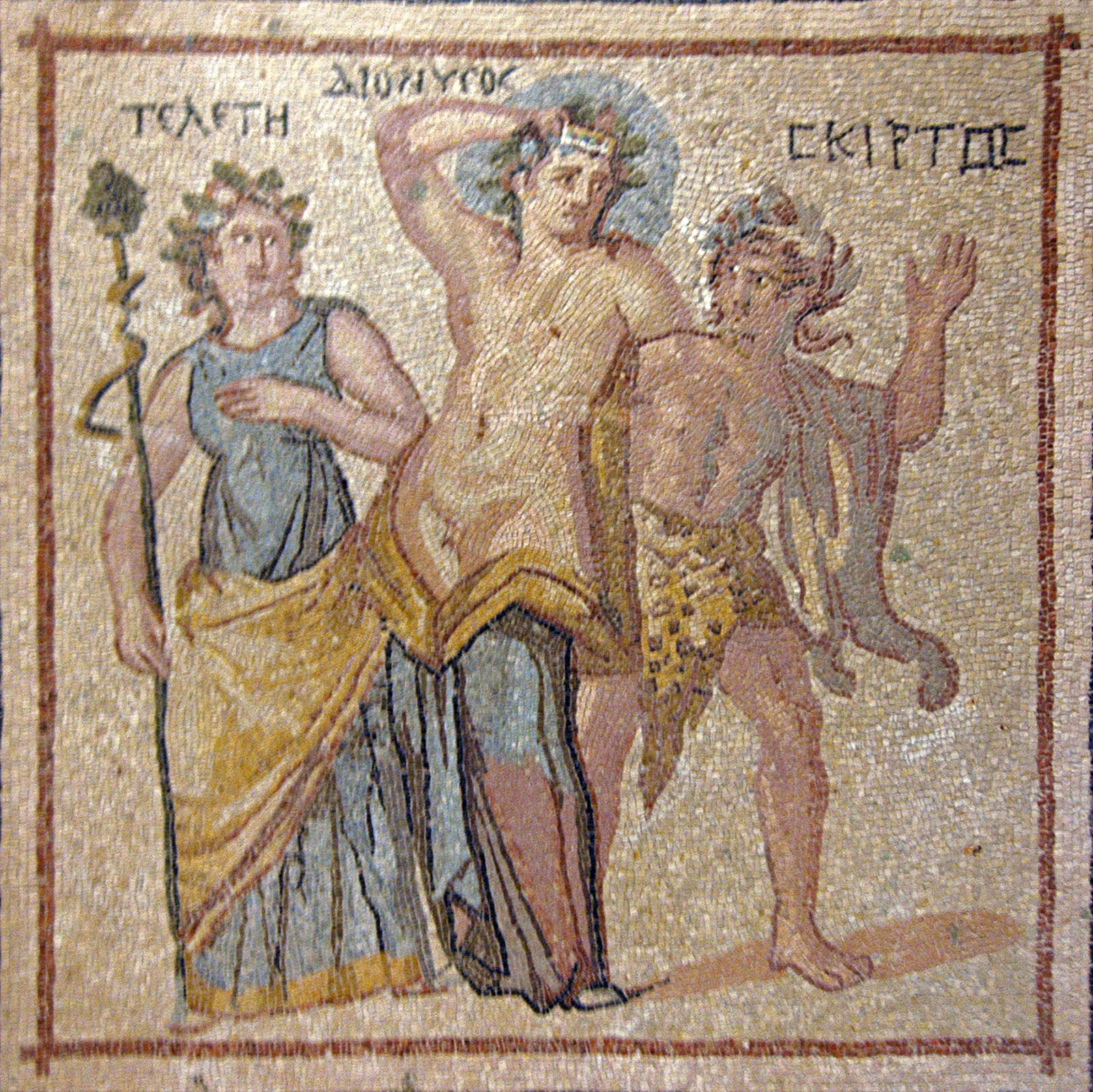
- Byzantine Period: Floor mosaics measuring 6.30 × 3.50 m from Tatköy Church (Sille, 6th century), Alibeyhöyük mosaics, bronze door handles, crosses, arrowheads.
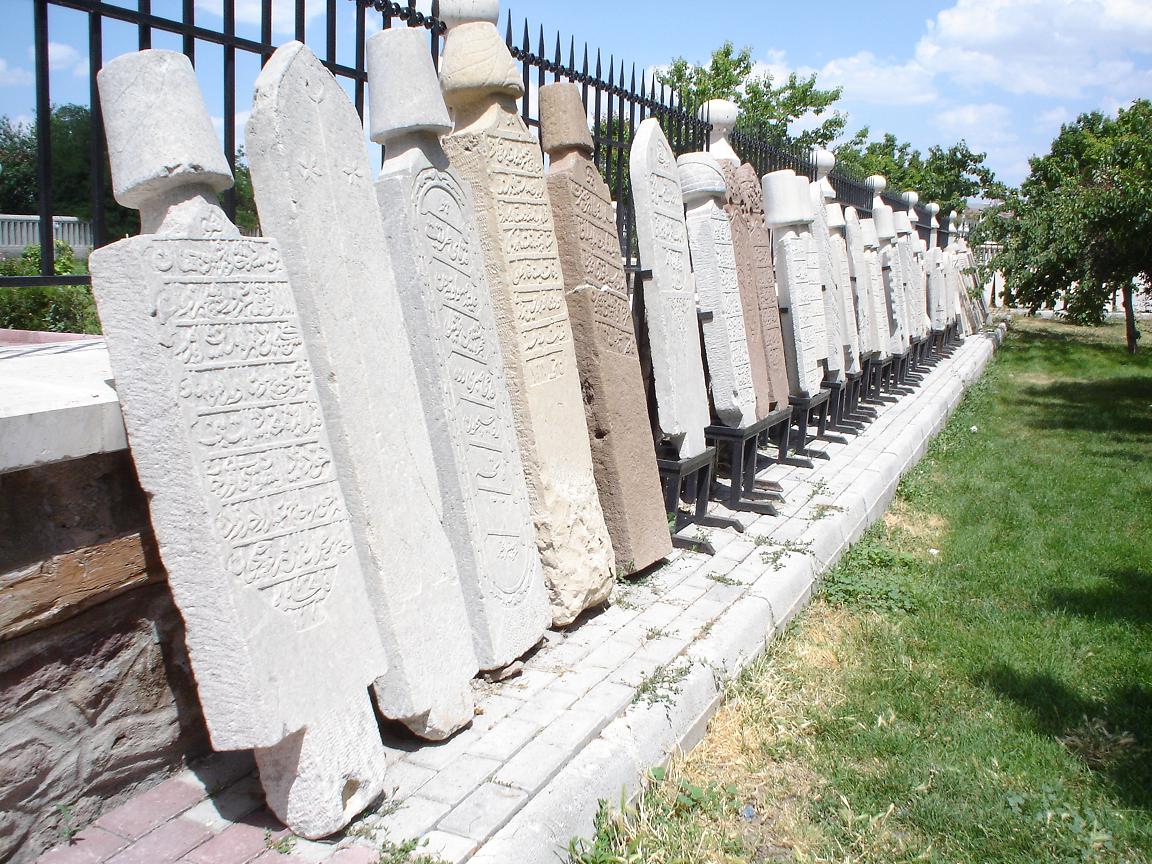
Open-Air Exhibitions In the garden and portico areas, Roman-period statues, sarcophagi, grave stelae, urns, lion statues, column capitals and inscriptions are displayed. Inscriptions from the cities of İkonion, Derbe and Listra, which St. Paul visited, are found here.
Visiting information
- Address: Sahibata Mahallesi, Sahibata Caddesi No:91, Karatay/Konya
- Phone: 0 332 351 32 07
- Email: konyaarkeoloji@ktb.gov.tr
- Opening Hours: Check the official site for current hours
- Closed day: Monday
- Admission: Free (according to official records; for current status Museum Pass validity query the tool can be used)
Museum Pass validValidKonya Archaeology MuseumKonyaMuseum page
Mevlana Museum
It is Konya's most visited and best-known museum. It consists of the former Mevlevi Dervish Lodge and Tomb complex. It was made a museum in 1926 under the name "Konya Asar-ı Atika Müzesi"; in 1954 "Mevlana Museum" it was named. The Kubbe-i Hadrâ (Green Dome) is the symbol of the city.
Collection and Building Features
- Mevlana Celaleddin Rumi's tomb, semahane, dervish cells, kitchen, library, and courtyard areas form the museum route.
- Manuscripts, garments, musical instruments, Mevlevi ritual objects, and artworks of the period are displayed.
- Because the rooms that reflect the dervish-lodge function are small and visitor traffic is heavy, circulation space can remain narrow. There are restrictions on accessibility; it is useful to obtain information in advance for disabled access.
Visiting information
- Location: Aziziye Mahallesi, Mevlana Caddesi, Karatay/Konya (city centre, easy access by public transport)
- Opening Hours: Official museum hours apply; the summer period (1 June–1 October under Night Museology) may be extended into evening hours. For the current program muze.gov.tr the page should be followed.
- Closed day: Official holidays and Mondays may vary; the current status should be confirmed through official channels.
- Museum Pass: For validity status query tool can be used.
Practical tip: Mevlana Museum is less crowded on weekday early hours. Density is very high on Fridays and weekends; extra crowding forms on sema ceremony days (usually Saturday).
 Museum Pass validValidMevlana MuseumKonyaMuseum page
Sahip Ata Waqf Museum
It was established within the Sahip Ata Complex in the city center (Selçuklu district). The tombs of Fahreddin Ali (Sahip Ata), his wife, and his children are inside the museum area. It is affiliated with the General Directorate of Foundations.
Collection Summary
- Seljuk-period tiles (turquoise, aubergine purple, cobalt blue), carpet and kilim examples from Alaeddin Mosque, manuscript copies of the Qur'an, books, calligraphy panels, candlesticks, banners, the sakal-ı şerif, clocks, tile fragments.
- Minbars and door panels belonging to Beyşehir Eşrefoğlu Mosque.
- Some of the works were brought from outside the külliye, and it is noted that there are balance problems between monument-museum identity and the display approach. Showcases and display techniques are in need of updating.
Visiting information
- Address: Sahip Ata Mahallesi, Sahip Ata Caddesi, Selçuklu/Konya
- Opening Hours: It opens at standard museum hours; official site or provincial culture directorate channels must be checked for current hours.
- Closed day: Usually Monday; confirmation from the official calendar is recommended.
Konya Ethnography Museum
It houses Konya's ethnographic material collection. Regional costumes, handicrafts, metalwork, woodwork, written and printed textiles, weapons and everyday objects are displayed. Official records should be followed for the building’s history and location.
Konya Atatürk House Museum
The house where Mustafa Kemal Atatürk stayed on his arrivals in Konya has been arranged as a museum. Objects used by Atatürk, photographs and documents are displayed. Visiting hours and days should be followed from the official programme.
Konya Ereğli Museum
It serves in Ereğli district. It covers archaeological and ethnographic works from the region. Finds from the İvriz rock reliefs and surrounding höyük excavations form the basis of the collection.
İnce Minareli Medrese (İnce Minare Museum)
It was commissioned in 1264 by the Seljuk vizier Sahip Ata Fahreddin Ali. With its stone portal and ornaments it is one of the finest examples of Seljuk stone craft. Inside, stone and wood works, inscriptions and architectural fragments of the Seljuk period are exhibited. Although its minaret remained unfinished, the building is known as "İnce Minareli".
Karatay Medrese (Karatay Museum)
It was built in 1251 by the Seljuk vizier Celaleddin Karatay. It is famous for its tile mosaics. The museum displays Seljuk and Beylik-period tile works, dome transitions, a mihrab and architectural fragments. The tile-mosaic floor under the dome is striking.
Sırçalı Medrese (Sırçalı Medrese Museum)
It was built in 1242 by Bedreddin Muslih. It takes its name from the tile mosaics (sırça) decorating its interior façades. Seljuk-period cemazeler, mihrabs, inscriptions, and stone works are exhibited in the museum.
İzzet Koyunoğlu City Museum
It is a city museum that brings together collections on Konya's urban history, culture, and daily life. The city’s change is told through photographs, documents, objects, and maquette.
Darülmülk Exhibition Palace
It is an exhibition area built on the remains of Seljuk palace architecture. It is used for temporary exhibitions and cultural events; the permanent collection may be limited.
Aya Elenia Church
It is a Byzantine church in Sille neighborhood dating to the 4th century. After restoration it serves as a museum-function exhibition space. It stands out with its frescoes and architecture.
Panorama Konya Museum
It is a modern museum that narrates Konya's history, culture and nature with panoramic images, maquettes and multimedia presentations. It is a suitable starting point especially for school groups and those who wish to get to know the city briefly.
Konya Science Center
It is an interactive centre focused on science, technology and innovation. It offers experiment stations, a planetarium and workshops in astronomy, physics, biology and robotics. It is a suitable stop for families with children and student groups.
Konya Çatalhöyük Archaeological Site
It is 15 km from the center of Konya. It was inscribed on the UNESCO World Heritage List in 2012. It is one of the oldest and best-preserved examples of urbanization in the world from the Neolithic Age (about 9000–7000 BCE). Roof-entrance houses, wall paintings, figurines and ritual finds can be seen in situ. Excavation areas under the visitor center, bridge walkways and protective roofs are open to tourist visits. The official site should be checked for current opening hours and guided-tour programmes.
Western Front Military Museum (Garipçe Military Museum)
It was established in the building used as Western Front Command in the War of Independence. Atatürk's activities in Konya, War of Independence documents, weapons, and military objects are exhibited.
Practical tips
- Transport: City-centre museums (Mevlana, Archaeology, Ethnography, Atatürk House, Sahip Ata, İnce Minareli, Karatay, Sırçalı, İzzet Koyunoğlu, Panorama) are reachable by tram and bus lines. For Çatalhöyük and Ereğli, public transport (district buses) or a private car is recommended.
- Museum Pass: To find out at which museums it is valid and to apply for a card How do you get a Museum Pass? you can consult the guide. For an instant validity check this tool is used.
- Night Museum Programme (1 June – 1 October): If the programme for 2026 has been announced, the list of participating Konya museums muze.gov.tr it can be followed from the page. Free or discounted entry may apply at night hours; details become clear in the official announcement.
- Avoiding Crowds: For Mevlana Museum, weekday early hours; for the Archaeology Museum, afternoon hours are quieter.
- Accessibility: Historic buildings (madrasas, dergah) may include multi-storey passages without elevators. In case of disability it is appropriate to consult the museum or the Konya Provincial Directorate of Culture and Tourism in advance.
- Photography: In most museums photography without flash is allowed; special exhibition rooms may have restrictions. Please ask staff at the entrance.
- Food and Rest: Tea gardens and restaurants are dense around Mevlana Museum; quieter alternatives are found near the Archaeology Museum (Sahibata Caddesi).
FAQ