Works and artists18 min read
Most Famous Museum Artifacts of Türkiye: Stories, Techniques & Value
From the Ayasofya mosaics to Çingene Kızı, from Nisan Tası to The Tortoise Trainer, explore in depth the stories, making techniques, and cultural meanings of Türkiye’s most iconic museum works.
MuseConnect editorsPublished

In this guide · 10 sections
Hagia Sophia Mosaics: Byzantium’s Golden Age
Deesis (Supplication) Mosaic: 13th-Century Mastery
The Deesis Mosaic in the south gallery was made after the Latins left İstanbul in 1261, as a symbol of Byzantium’s revival. In the central panel is Jesus Christ, with the Virgin Mary on his right and John the Baptist on his left. The hand-and-arm positions of the three figures depict a plea for the sins of humanity. Construction technique: Mosaic, opus musivum with the technique, it is formed with millions of cubes (tessera) set on a gold-foil background. The compressing of the gold gilt between layers of glass lets light break at different angles and adds a sense of "divine light" to the space. Tonal shifts on the figures' faces were obtained with the colour scale of tesserae 4-5 mm in size — this proves that Byzantine workshops carried miniature precision to wall scale.Apse Mosaics and the Iconoclasm Period
The mosaic of the Virgin and Child (9th century) in the main apse is the first figural mosaic made after the end of the Iconoclasm (image-breaking) period. This work documents the re-legitimizing of figural art with the "Triumph of Orthodoxy" in 843. The saint and patriarch mosaics in the north and south tympana belong to the 10th-11th centuries and reflect Byzantine court protocol.Practical note: Because Hagia Sophia is now a mosque, the mosaics are covered with curtains during prayer times (especially Friday and festival prayers). The best window for seeing the mosaics in full is after the noon prayer through the afternoon prayer. Check the official site for current visiting hours and curtain periods.
Zeugma Mosaic Museum: One of the World's Most Comprehensive Mosaic Collections
 Museum Pass validValidZeugma Mosaic MuseumGaziantepMuseum page
Gypsy Girl Mosaic: Beyond a Glance
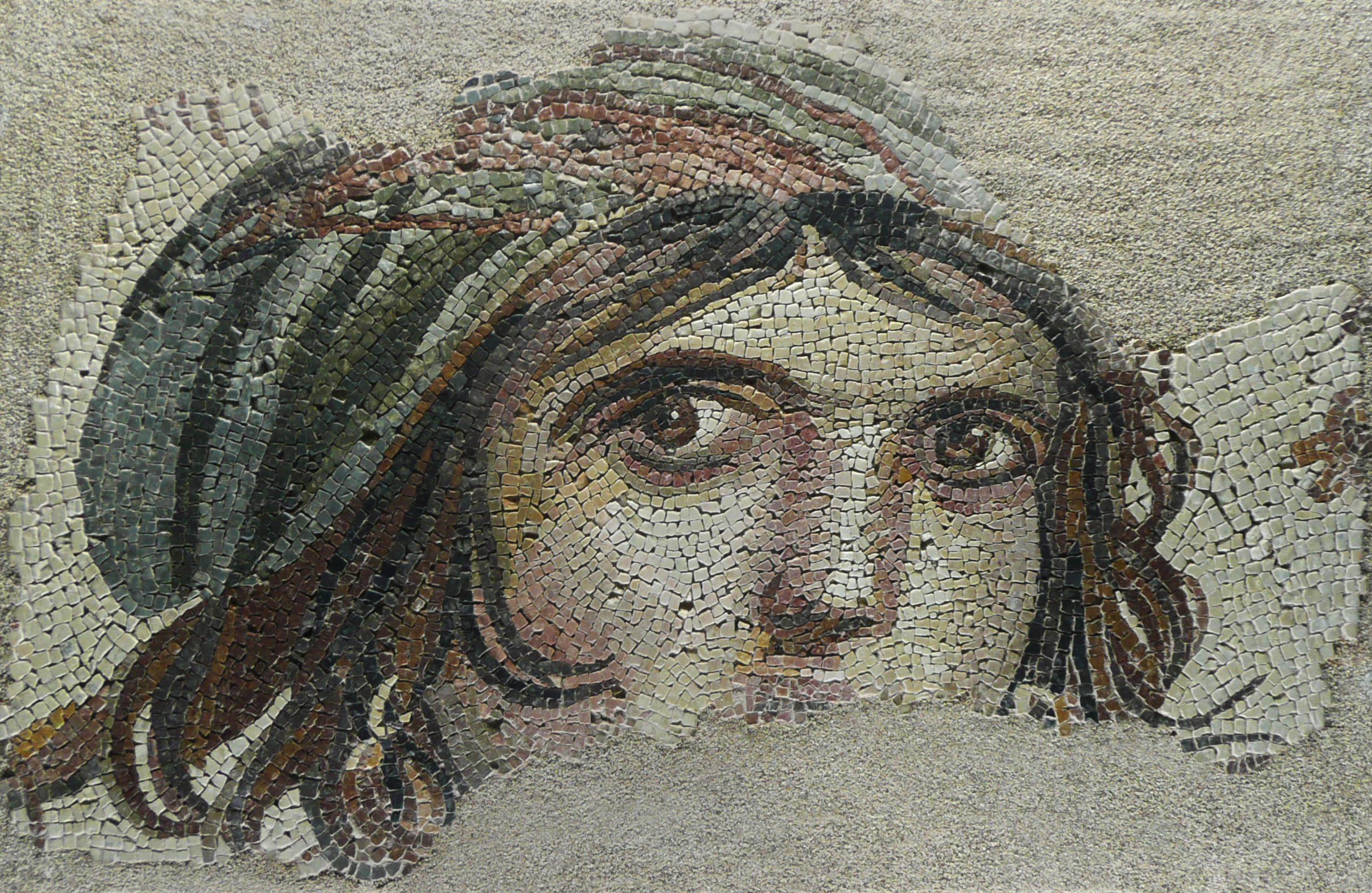
This mosaic, which has become the museum’s symbol, was unearthed in 1998-1999 rescue excavations from the dining room (triclinium) floor of a luxury Roman residence named "Mainad Villa" (Meynat Villa). Iconography and technique: Mosaic, opus vermiculatum (worm work) technique is its most advanced example. Tonal shifts obtained with 1-2 mm tesserae capture the reflection in the girl's pupils, the movement of hair strands and the transparency of the skin. The girl's turned head pose creates the illusion that while she looks in quite another direction her eyes follow the viewer — this "following eye" effect shows the transfer of the Hellenistic portrait tradition into Roman mosaic craft. Name origin: The "Gypsy Girl" nickname is a popular name that spread in the media in the 1990s. In academic literature she is identified as a "Maenad" (a frenzied female follower of Dionysus) or "Gaia" (the Earth Goddess). The girl’s dark complexion and dance pose may represent an eastern dancer/slave type of the Roman period.Statue of Mars (Ares) and Other Finds
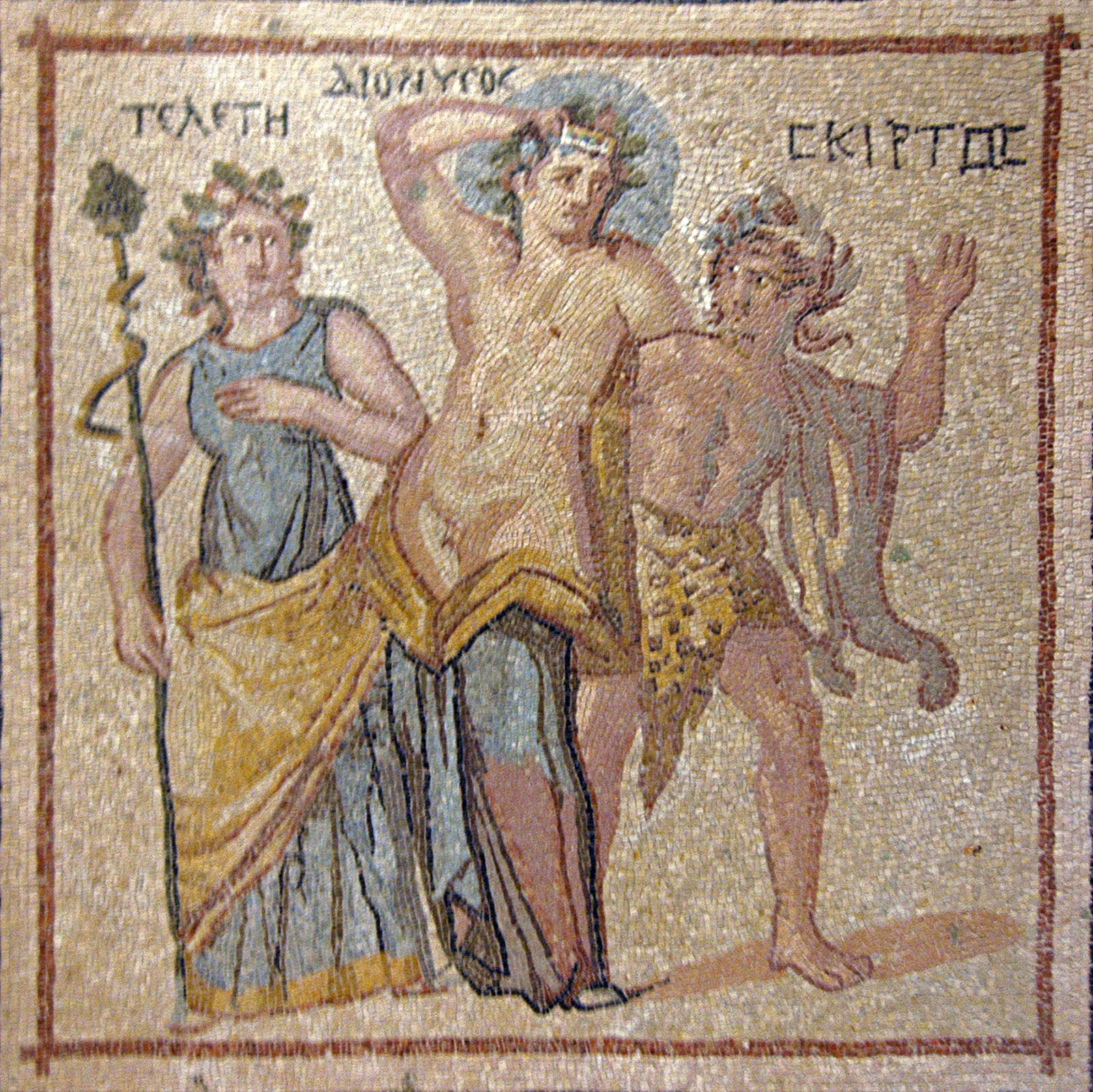
The museum also stands out for its bronze sculpture collection as well as the mosaics. Statue of Mars, it is exhibited with the Roman war god’s sword fastened to his belt, his shield standing beside him. The statue’s bronze casting technique is the peak of Roman metalwork. In the mosaics’ Akratos and Euphrosyne (Wine and Joy), Poseidon and Oceanus scenes document the mythological consciousness and hedonistic lifestyle of Zeugma's wealthy Roman elite.Visit tip: The museum has a special climate-controlled, darkened room for the Gypsy Girl Mosaic. A queue usually forms at this room; it can be seen without waiting in the early morning (30 min after opening). The museum is quieter on weekdays. Check the official site for current opening hours and night-museum practice.
Mevlana Museum: Symbols of Mevlevi Culture
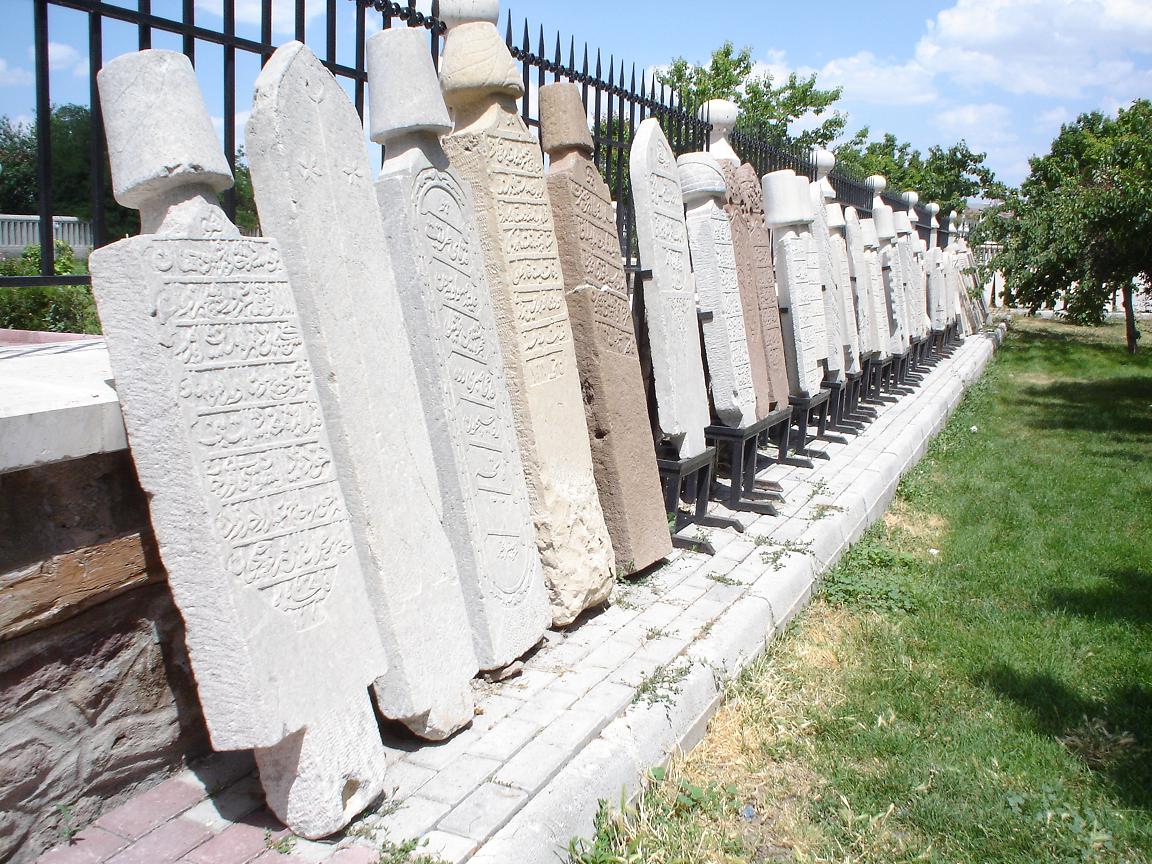 Museum Pass validValidMevlana MuseumKonyaMuseum page
Nisan Tası: Silver-Gold Inlay Mastery
Nisan Tası, gifted to the Mevlana Dergah in 1327 by Ilkhanid ruler Ebu Said Bahadır Han, is the museum’s most valuable metal work. Technique and symbolism: The body of the bowl is made of bronze, the relief ornaments on it worked with silver and gold inlay (damascening) technique. Silver and gold wire was pressed into motifs drawn on the bronze surface and fixed. Motifs: Rumi (crescent), star, çintemani (three dots - abundance symbol), hatayi (stylized flower) and Arabic prayers in thuluth script. Function: Each year in the April rains (according to the belief that April rains are a source of healing) the bowl was left on the soil and rainwater was collected, then distributed to visitors with the intention of healing. This ritual was a concrete instrument of the "healing culture" in Mevlevi lodges. The bowl is a rare example of 14th-century Ilkhanid-period aesthetics in both metalwork and Sufi symbolism.Other Valuable Works
- Eight-String Violin: One of the oldest violins in the history of Turkish music, used by Mevlana's son Sultan Veled.
- Patience Stones: Stone columns on which dergah students (çelebis) marked their 1001-day çile (çilehane) periods.
- Precious Manuscripts: Divan-ı Kebir, Mesnevi copies, and sultan's firmans.
Note: Because Mevlana Museum is also a centre of religious tomb visitation, crowds are very high on Fridays and during Şeb-i Arus (17 December). Weekday mornings can be preferred for a quieter experience. Check the official site for current visiting rules.
Pera Museum: Osman Hamdi Bey and "Kaplumbağa Terbiyecisi"
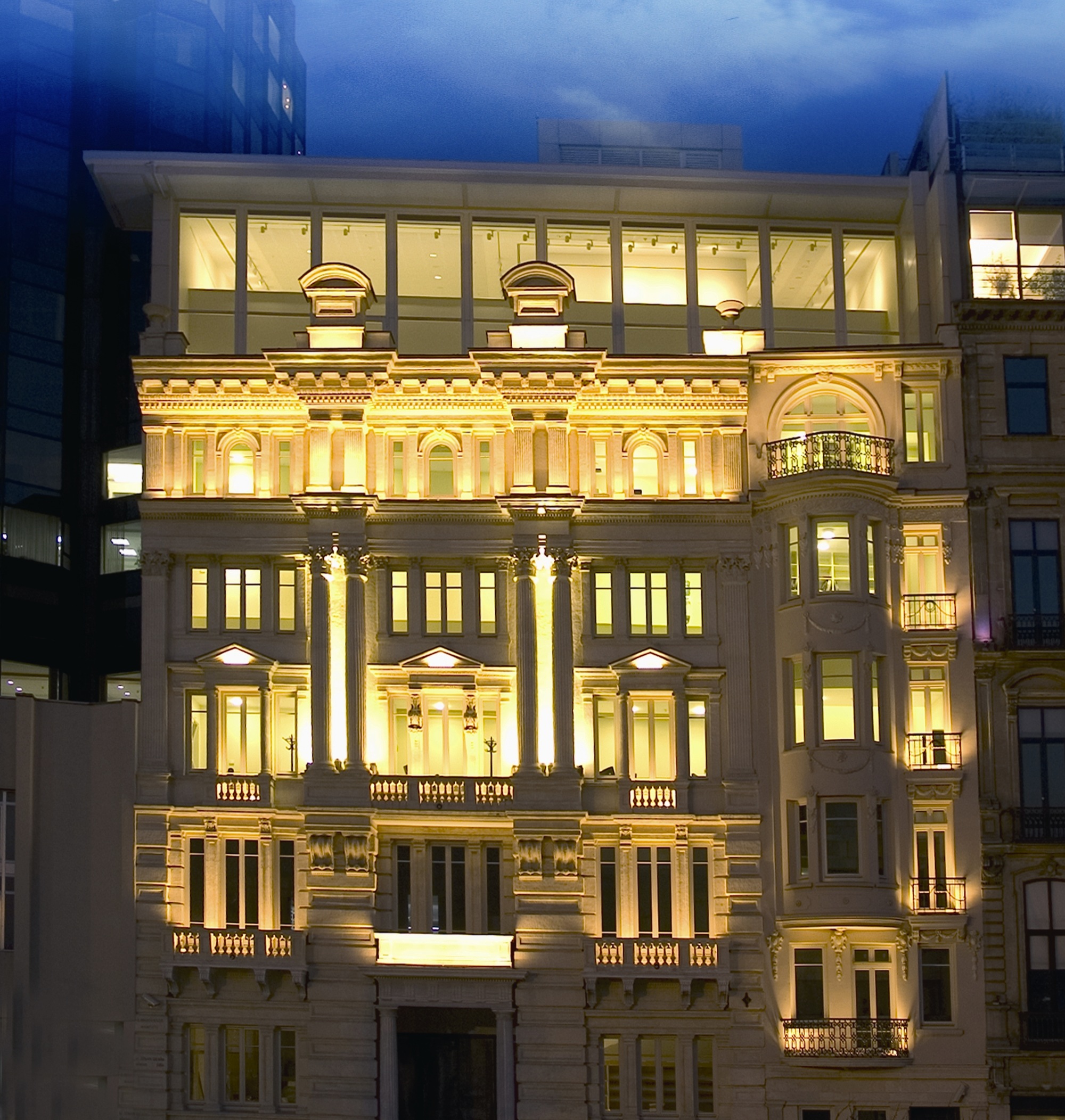 Museum Pass not validNot validPera MuseumBeyoğlu, İstanbulMuseum page
Osman Hamdi Bey: Archaeologist, Museologist, Painter
Osman Hamdi Bey (1842-1910) is the Ottoman State's first Turkish archaeologist, for many years director of the İstanbul Archaeology Museum, founder of the Sanayi-i Nefise Mektebi (today Mimar Sinan Fine Arts University) and the first Turkish painter to make figural compositions. Trained in Paris in the studios of Gérôme and Boulanger, Hamdi Bey developed an art language that drew his own cultural identity out of the Orientalist current.The Tortoise Trainer: A Multi-Layered Allegory
The painting shows a figure in a hodja’s (or dervish’s) room, trying to train tortoises by playing the flute. The tortoises are spread on the floor; the trainer stands, flute in hand, his face holding both gravity and a humorous despair. Artistic analysis:- Composition: Pyramidal composition, light source from the left (the window), shadows cast with perspectival accuracy.
- Details: Inscriptions on the walls, kilim patterns on the floor, the textures of garments, a record of Ottoman interior aesthetics.
- Layers of meaning:
- Orientalist critique: While Western painters constructed "oriental" scenes as products of imagination, Hamdi Bey depicts a real Ottoman room with his own cultural codes.
- Education allegory: The "untameable tortoise" metaphor refers to the difficulty of social transformation in Ottoman reform processes (Tanzimat, Meşrutiyet).
- Self-portrait size: The educator figure bears Hamdi Bey’s own facial features — the artist’s positioning of himself as a "culture trainer."
Visit tip: Pera Museum may not display The Tortoise Trainer continuously, for conservation reasons; it may also appear in temporary exhibitions. Before you go, check the "Permanent Exhibition" page on the museum website. The museum has offered free admission on Friday evenings (check the official site for the current status).
Istanbul Archaeology Museums: Homes of One Million Works
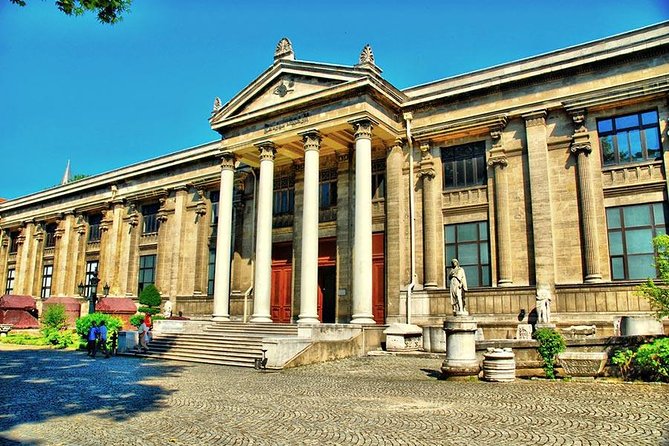 Not listedUnlistedIstanbul Archaeology MuseumsFatih, İstanbulMuseum page
İskender Lahdi (Alexander Sarcophagus): from the Sidon Royal Cemetery
This sarcophagus, unearthed in 1887 during the Royal Cemetery excavations at Sayda (Lebanon) directed by Osman Hamdi Bey, Sidamara type (poplar, with figured frieze) it is the finest example. Made of Pentelic marble, it is dated to the late 4th century BCE. Stage programme: On the four sides of the sarcophagus and its lid:- Long sides: Alexander's battle with the Persians (Battle of Issus), a hunting party.
- Short sides: Lion hunt, griffin hunt.
- Lid: Equestrian portrait of Alexander (with a crested helmet), Hephaistion beside him.
Other Masterpieces
- Tabnit Sarcophagus: An anthropoid (human-shaped) sarcophagus in Phoenician style, from the same cemetery as the Alexander Sarcophagus.
- Kadesh Treaty Tablet (Copy): The original is in Berlin; the world's oldest known written peace treaty (1259 BCE, Hittite-Egypt).
- Other Sarcophagi in the Sidon Royal Necropolis: "Sarcophagus of the Mourning Women", "Lycian Sarcophagus", etc.
- Babylon Gate and Ishtar Gate Mosaic Walls: Parts of a monumental gateway from the reign of Nebuchadnezzar II (575 BCE), covered in blue glazed bricks.
Practical info: The museum complex is very large; set aside at least 3-4 hours. The main building (Archaeology Museum) has many floors; the lower floor Anatolian and Near Eastern archaeology, the upper floor Greek-Roman-Byzantine works. Çinili Köşk (1472, Fatih Sultan Mehmed) is a separate building; set aside extra time for the tile collection. Check the official site for current opening hours and the maintenance calendar.
Antalya Archaeology Museum: Pamphylia's Treasury of Sculpture and Mosaic
Important current note (2026): The building of Antalya Archaeology Museum that had served since 1972 was closed to visits on 16 July 2025 on seismic-safety grounds and was demolished in September 2025. The works were temporarily moved to containers/depots in the museum garden. Completion of the new museum building being constructed on the same site was initially targeted for the end of 2026, yet the construction process is experiencing delays. For that reason most of the works described below may at present be held under temporary conditions rather than in regular galleries; before you plan a visit, be sure to check the current announcements of the Ministry of Culture and Tourism or of the museum.
Yorgun Herkül (Weary Hercules): Lysippos-Type Marble Copy
The marble statue from the South Baths of Perge, dated to the 2nd century CE, the Greek sculptor Lysippos is a Roman copy of the lost original (4th century BCE). Iconography: Hercules, having completed his 12th labour (gathering the apples of the Hesperides), rests with a lion skin on his shoulder, an apple in his hand, his torso bent, one leg crossed over the other. The fatigue of the muscles, the tension of the skin, the beard and hair details are carved in marble with extraordinary realism. Scientific importance: This copy is one of the best-preserved examples used to define Lysippos's "Herakles Epitrapezius" type. The lower half of the statue was found in the Perge excavations in 1980; the upper half, previously smuggled abroad, was identified at the Museum of Fine Arts, Boston in the USA and in 2011, after a long negotiation process, was returned to Türkiye and joined to the statue — this process has become a symbol of the cultural-heritage struggle.Philosophers Mosaic: from the Lyrbe Agora
This mosaic, unearthed in the 1970s in the agora excavations of the ancient city of Lyrbe (Seleukeia), is dated to the 3rd century CE. The central panel shows busts of seven philosophers (Socrates, Plato, Aristotle, Zeno, Epicurus, Pyrrho, Antisthenes) together with labels (Greek names). Educational function: The mosaic proves that the ancient city’s agora was a library or school building, and that the mosaics served as a "curriculum" poster. Characteristic attributes beside each philosopher (Socrates’ stoutness, Zeno’s upright stance) are given in keeping with the Roman portrait tradition.Perge Sarcophagi: Dionysiac and Aurelia Sarcophagi
- Dionysiac Sarcophagus (second half of the 3rd century CE): Covered with friezes decorating Dionysos’s Indian campaign, maenads, satyrs, panthers. The reclining figure on the sarcophagus lid reflects the deceased person’s belief in "resemblance to Dionysos" (assimilatio).
- Sarcophagus of Aurelia Botiane Demetria (2nd century CE): Recovered from Perge West Necropolis, seized from smugglers. Made for a female deceased, it is one of the rare examples whose identity is known from an epitaph inscription.
Visit route: In the museum's normal layout the "Hall of Gods" (marble statues from Perge), "Mosaic Hall" (mosaics of Lyrbe, Perge, Side) and "Sarcophagus Hall" are the main stops, and open-air "Statue Street" and "Necropolis Area" join the walking route. Yet due to the construction in the current note above, this layout may have changed for now; check the official site before visiting for current hall and access information.
Museum of Anatolian Civilizations: Anatolia's Chronological Atlas
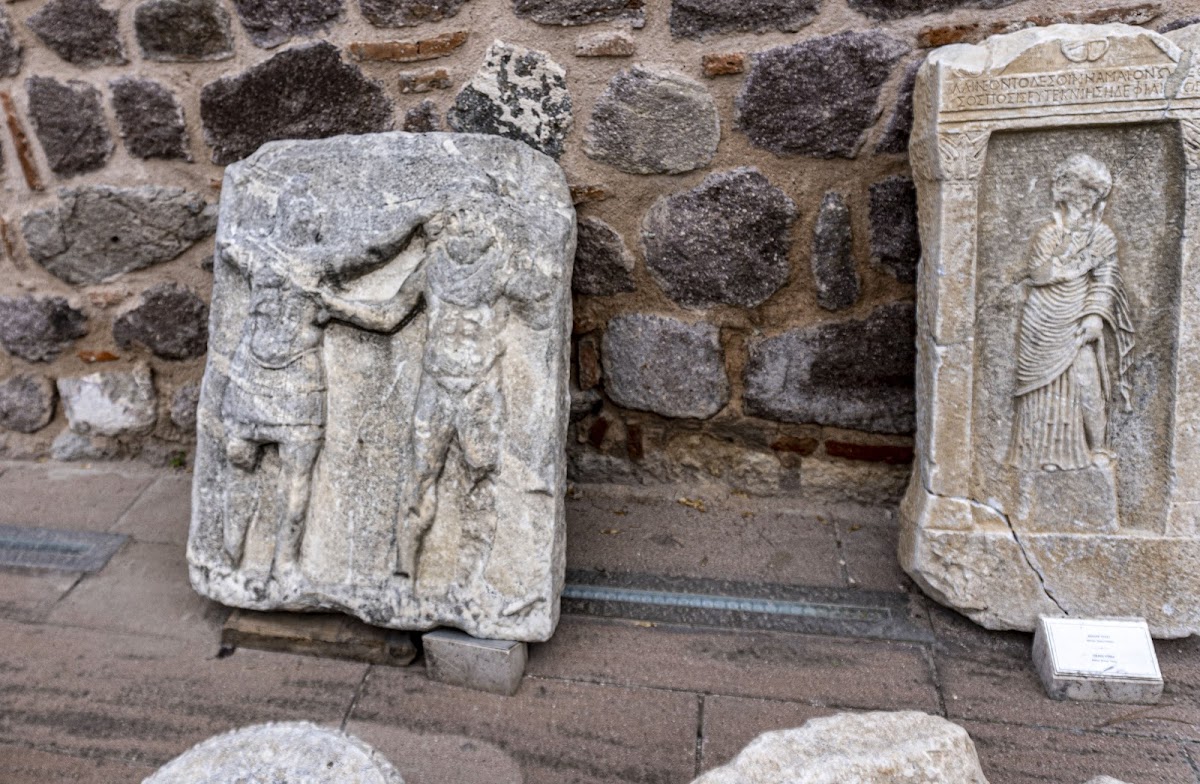 Not listedUnlistedMahmut Paşa BedesteniAnkaraMuseum page
Çatalhöyük Finds: Codes of the Neolithic Period
Finds from the Çatalhöyük excavations dated to 7500-5700 BCE (James Mellaart, Ian Hodder teams) illuminate the symbolic world of early farming societies:- Female Goddess Statues: Figures of clay, marble, limestone; obese, fertility-emphasized figures. Early evidence of the "Magna Mater" (Great Mother) belief.
- Bull-Headed Relief and Wheat Grains: Bull horns mounted on house walls and painted wall decorations show symbolic hunting and fertility rituals.
- Obsidian Knives and Mirrors: It documents trade networks (the Cappadocian obsidian source).
Phrygian (Phrygia) Works: Riches Coming from Gordion
Works from the Gordion (Yassıhöyük) Tumulus Excavations (Rodney Young team), dated to the 8th-7th centuries BCE:- Wooden Furniture Pieces: The world’s oldest known wooden furniture; seats, tables, chests decorated with inlay (bone, colored wood veneer) technique.
- Bronze Omphalos (Navel Stone): Ritual centre symbol.
- Phrygian Inscribed Rocks and Stelae: Examples of the Phrygian alphabet, not yet fully deciphered.
Hittite Works: Official Art of the Imperial Period
- Yazılıkaya Open-Air Temple Relief Copies: Sequences of gods and goddesses (Teshub, Hebat, Şarruma).
- Alacahöyük Standards: Ritual standards with sun disks and deer antlers from the "Royal Tombs" of 2300-2100 BCE (Early Bronze Age).
- Kültepe (Kanesh/Neša) Tablets: Cuneiform tablets from the Old Assyrian trading colony period (19th-18th century BCE); Anatolia’s oldest written documents.
Museum layout: Bedesten building (lower floor: Palaeolithic-Chalcolithic-Neolithic; upper floor: Early Bronze Age-Hittite-Phrygian); Kurşunlu Han building (Classical Period-Roman-Byzantine-Seljuk-Ottoman). Passage between the two buildings is by a covered corridor. Both can be visited on a single ticket. Check the official site for the current exhibition layout.
Other Iconic Works and Their Museums
| Work | Museum / Location | Period / Dating | Standout Feature |
|---|---|---|---|
| Hittite Chariot (Simulation) | Çorum Museum | 17th–13th century BCE (Hittite Empire) | A reconstruction with remains of an original iron-wheeled war chariot; a Hittite City experience through simulation. |
| Statue of Alexander the Great | Istanbul Archaeology Museums | 2nd century CE (Roman copy) | Close to the Lysippos type, marble, head upright, hair in anastole (windswept) pose. |
| Karahantepe / Göbeklitepe T-shaped Pillars | Şanlıurfa Museum / On-site | 9600-8200 BCE (Taş Tepeler) | The world's oldest monumental works; T-shaped standing stones, animal reliefs. |
| Bodrum Museum of Underwater Archaeology Collection | Bodrum Castle (Museum of Underwater Archaeology) | 14th century BCE (Uluburun shipwreck) – 7th century BCE | The world's oldest shipwreck (Uluburun), the glass collection, Carian royal tomb finds. |
| Bursa City Museum Ethnography Collection | Bursa City Museum | 14th–20th century | Karagöz-Hacivat, Ottoman calligraphy, tiles, swords, kaftans, everyday objects. |
Practical tips
- Museum Pass use: Most official museums are covered by the Museum Pass. Your card's validity Museum Pass validity query tool you can check with. If you do not hold a pass How do you get a Museum Pass? you can get information from our guide.
- Visit planning: Set aside a full day for the large museum complex (İstanbul Archaeology, Topkapı Palace, Ayasofya surroundings). Half a day is enough for Zeugma, Mevlana, Anatolian Civilizations.
- Current situation at Antalya Museum: The Antalya Archaeology Museum building was demolished in 2025 and the new building is under construction; if you are planning a visit, first check the museum’s or the Ministry of Culture and Tourism’s current statements.
- Photography: Flash-free shooting is allowed at most museums; however, shooting may be forbidden at Ayasofya, the Mevlana tomb, and some special rooms (Çingene Kızı room). Ask staff at the entrance.
- Accessibility: The İstanbul Archaeology, Zeugma and Anatolian Civilizations museums have disabled-friendly ramped entrances and lift access between floors. Historic buildings (Hagia Sophia, Mevlana, Topkapı) are partly accessible; see museum websites for details.
- Combined routes:
- Istanbul: Hagia Sophia → Topkapı Palace → Istanbul Archaeology Museums → Tiled Pavilion (walking distance).
- Ankara: Anatolian Civilizations → Ethnography Museum → Anıtkabir (10 min by car).
- Gaziantep: Zeugma → Gaziantep Castle → Bakırcılar Çarşısı → Zeugma Mosaic Museum (if there is an evening night museum).
- Seasonal crowding: Queues form at all major museums in summer months (June-September) and holiday periods. If possible, prefer weekdays, early morning hours.
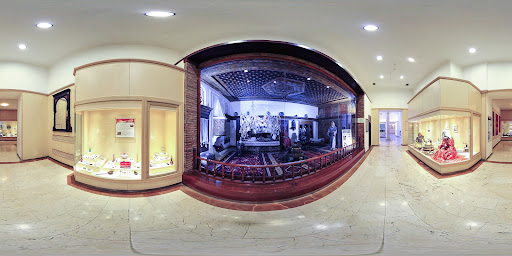 Museum Pass validValidEthnography MuseumAnkaraMuseum page
 Museum Pass not validNot validAnıtkabirAnkaraMuseum page
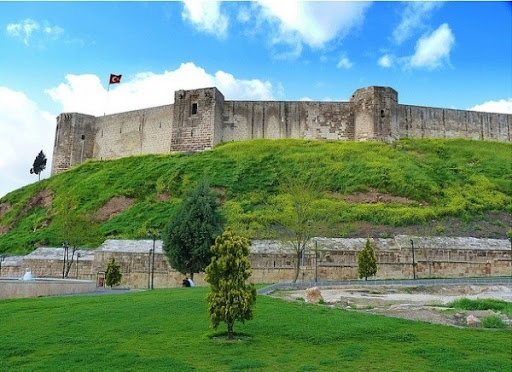 Museum Pass validValidGaziantep CastleGaziantepMuseum page
FAQ
Frequently asked questions
Why is the Gypsy Girl Mosaic so famous?
Gypsy Girl Mosaic, opus vermiculatum technique, made using 1-2 mm tesserae, represents the summit of Roman mosaic art with the light reflection in the pupils and the "following eye" illusion. It has become the symbol of the Zeugma Mosaic Museum, an icon recognised worldwide.
In which museum is the Nisan Tası displayed, and what does it mean?
Nisan Bowl Konya Mevlana Museumis exhibited. It was presented as a gift in 1327 by the Ilkhanid ruler Ebu Said Bahadır Han. Motifs worked in silver and gold inlay on a bronze body (crescent, star, çintemani) carry Mevlevi symbolism. April rains were collected and distributed to visitors with the intention of healing.
Where can The Tortoise Trainer painting be seen?
Osman Hamdi Bey's 1906 painting "Kaplumbağa Terbiyecisi" Istanbul Pera Museum'nde (Suna-İnan Kıraç Foundation collection) it is exhibited. The painting may not be on permanent display for conservation reasons; you are advised to check the current exhibition status on the museum website before going.
Whose is the Alexander Sarcophagus and where is it?
Alexander Sarcophagus, Istanbul Archaeology Museumsis exhibited. It was discovered in 1887 by Osman Hamdi Bey in the excavations of the Royal Necropolis of Sayda (Lebanon). The sarcophagus, probably made for Abdalonymos, King of Sidon, and decorated with Alexander’s battle and hunt scenes, is the finest example of the Hellenistic baroque style.
Why is the Weary Hercules statue important, and can it be seen at present?
The Weary Hercules in Antalya Archaeology Museum, the Greek sculptor Lysippos's lost original (4th century BCE) is the best-preserved Roman copy (2nd century CE). The statue shows the peak of anatomical realism and emotional expression (pathos) in ancient sculpture; the upper half smuggled to the USA was returned in 2011 and joined. Yet the museum's building was demolished in 2025 and the new building is under construction; you need current information on the statue's present display status before a visit.